
Why Reading Physical Books is Better
Reading physical books is better because they reduce screen time and eyestrain, leading to a more pleasant reading experience. Many people prefer the tactile experience of holding a physical book, appreciating the smell of paper, and the ability to easily flip back and forth between pages.
Furthermore, physical books do not require electronic devices or batteries, making them more reliable for reading in any environment. The absence of digital distractions also allows for deeper focus and concentration while reading. In addition, physical books provide a sense of ownership and a tangible connection to the content, contributing to a more immersive and memorable reading experience.
With their unique appeal and numerous benefits, physical books continue to be a preferred choice for many avid readers.
Benefits Of Reading Physical Books
Physical books offer a more immersive reading experience, allowing readers to engage with the paper texture and enjoy the smell of the pages. The absence of screen time also reduces eye strain and improves sleep quality, making reading physical books a better choice for overall well-being.
Enhanced Reading Experience
Reading physical books provides an enhanced reading experience, offering several advantages that cannot be replicated by digital formats.
With a physical book in hand, you engage more fully with the text. The weight, texture, and smell of the pages create a sensory experience that adds to the enjoyment of reading. You can feel the progression as you flip through the pages, providing a tangible sense of accomplishment.
Furthermore, physical books allow for easier navigation. You can quickly thumb through the pages, mark important passages with bookmarks or annotations, and easily flip back and forth between chapters. This enhances your ability to reference and recall information, making it ideal for academic reading or studying.
Beyond the tactile experience, physical books also offer a visual appeal. Cover designs, illustration, and typography can enhance the overall aesthetic and make reading a more pleasurable and immersive experience. The design elements of a book contribute to the enjoyment and understanding of the content.
Reduced Screen Time
In today’s digitally saturated world, many of us spend a significant amount of time staring at screens. Reading physical books offers a welcome reprieve from this constant exposure.
Screen time has been linked to increased eye strain, disrupted sleep patterns, and decreased attention span. By choosing physical books, you can reduce your overall screen time and the negative effects associated with it.
Unlike digital devices, physical books do not emit harmful blue light that can disrupt your sleep patterns. With a physical book, you can relax and unwind before bed without the interference of screens.
Additionally, reading physical books provides a break from the constant distractions of digital notifications and internet connectivity. Immersing yourself in a book without the temptation to check emails or social media can help improve concentration and focus.
Reducing screen time through reading physical books promotes a healthier lifestyle and fosters a deeper connection with the content you are reading.
Cognitive Benefits Of Physical Books
When it comes to the cognitive benefits of physical books, it turns out that the act of holding a book and flipping through its pages provides a myriad of advantages for the brain. Unlike digital screens, physical books trigger certain cognitive functions, resulting in improved memory and increased focus.
Improved Memory
Reading physical books has been shown to improve memory retention. The tactile experience of turning pages, coupled with the visual and sensory input, enhances the brain’s ability to remember details from the text. This tactile memory helps readers to recall information more effectively and for longer periods.
Increased Focus
Physical books facilitate increased focus by reducing distractions. Unlike digital devices, physical books do not provide notifications or temptations to switch tasks, allowing readers to concentrate on the content at hand. This immersive experience fosters deep engagement with the material, leading to enhanced concentration and comprehension.
Better Retention With Physical Books
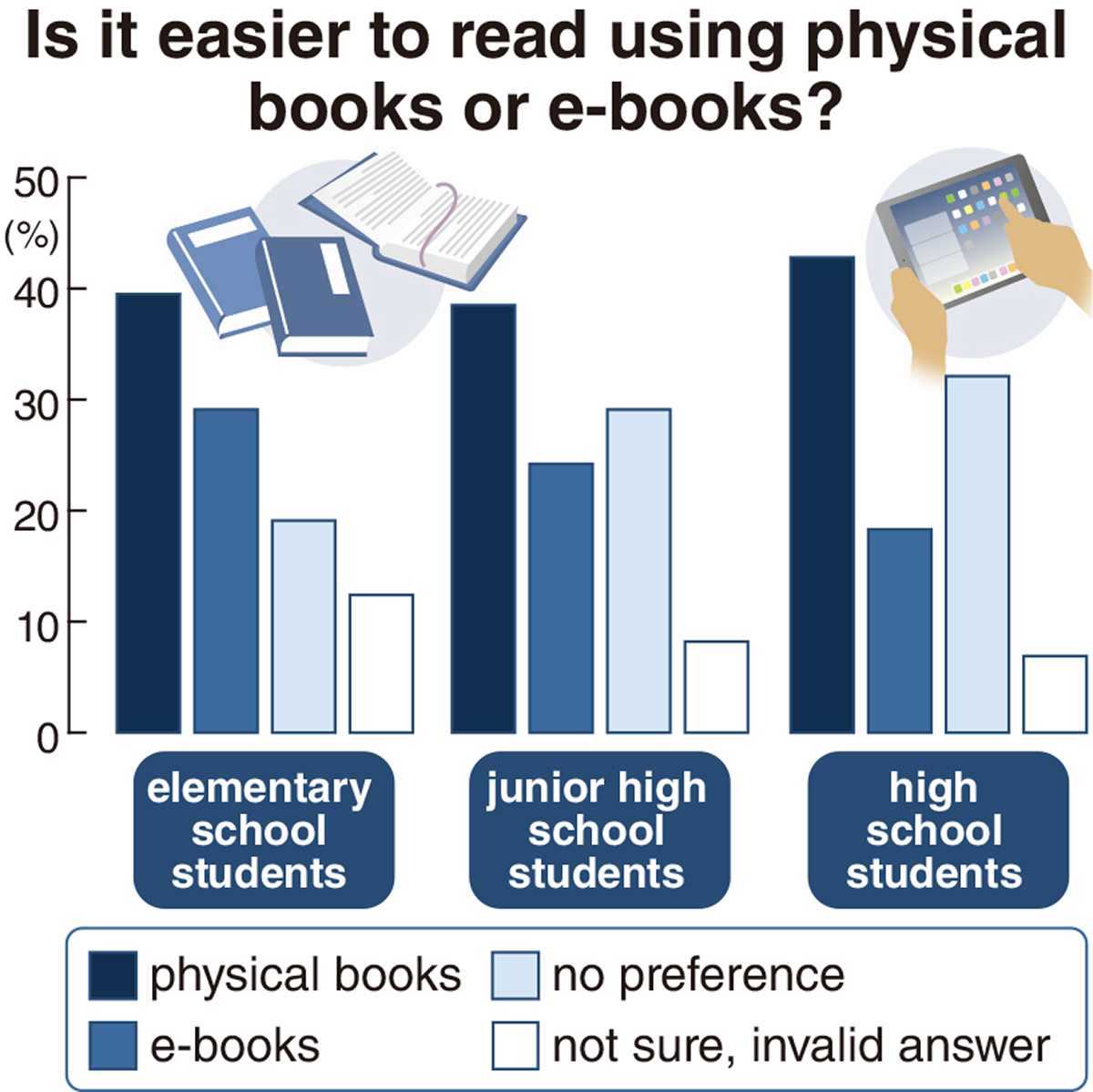
Reading physical books enhances retention compared to digital reading due to the tactile experience and deeper engagement with the material. Turning the pages, feeling the weight of the book, and the smell of paper contribute to a more immersive reading experience that improves memory retention and comprehension.
Deeper Understanding
Physical books allow for a deeper understanding of the content since the act of physically engaging with the book, turning pages, and feeling the texture of the paper creates a multi-sensory experience that helps to anchor the information in the memory. This leads to better understanding and retention of the material compared to digital reading.
Easier Note-taking
When reading physical books, note-taking becomes easier as readers can easily jot down notes, underline important points, and annotate directly onto the pages, enabling better retention and comprehension. This physical interaction with the text creates a stronger connection to the material, leading to more effective note-taking and memory recall.
Credit: japannews.yomiuri.co.jp
Tangible Benefits Of Physical Books
While digital books offer convenience, there is a unique charm and several tangible benefits that physical books provide. Let’s explore two of the main advantages: Aesthetics and Design, and Display and Collection.
Aesthetics And Design
Physical books provide a sensory experience that cannot be replicated by digital counterparts. When you hold a book in your hands, you can feel the weight, texture, and even smell the pages. The aesthetics and design of physical books create a visual appeal that adds to the pleasure of reading.
The cover designs, vibrant illustrations, and typography enhance the reading experience and make it feel more personal and engaging. Physical books often incorporate intricate details, such as embossed covers or foil accents, which further contribute to their beauty.
Additionally, physical books allow you to choose from a range of formats. Whether it’s hardcover, paperback, or leather-bound, you can select a style that reflects your personal taste and preferences. The visual appeal and design of physical books make them a delightful addition to any bookshelf or coffee table.
Display And Collection
One of the joys of reading physical books is the ability to proudly display and curate your own collection. Building a personal library is not only aesthetically pleasing but can also be a great conversation starter. It allows you to showcase your interests, passions, and intellectual pursuits.
With physical books, you can visually organize your collection, which makes it easier to navigate and find specific titles. Whether you arrange them alphabetically, by genre, or based on your own unique system, there is something satisfying about having a physical representation of your reading journey.
Whether you prefer to decorate your shelves with classic literature or modern bestsellers, each book becomes a representation of a chapter in your life. Physical books hold sentimental value, as they can evoke memories of when and where you read them, or even the people who gifted them to you.
Furthermore, physical books do not rely on technology or batteries to be enjoyed. They provide a sense of reliability and permanence, ensuring that you can revisit your collection at any time, without the risk of losing access due to technical issues or changes in digital platforms.
In conclusion, the tangible benefits of physical books go beyond the words on the pages. The aesthetics, design, display, and collection aspects enrich the reading experience and create lasting connections with literature.
Emotional Connection With Physical Books
Reading physical books offers an emotional connection that cannot be achieved with their digital counterparts. The tangible presence of a book elicits a unique sensory engagement, taps into nostalgic value, and enhances the overall reading experience.
Sensory Engagement
The act of holding a physical book in your hands, feeling its weight, and flipping through the pages engages your senses in a way that a digital book cannot replicate. The texture of the pages, the sound of the pages turning, and the distinct smell of ink and paper create a multisensory experience that enhances your connection to the story.
Moreover, physical books allow you to physically interact with the text. You can underline, highlight, or write marginal notes, making the reading experience more personal and immersive. The physical act of interacting with the book adds depth to the emotional connection you have with the story and the characters.
Nostalgic Value
Physical books hold a timeless nostalgic value that stems from our childhood memories, visits to libraries or bookshops, and the joy of holding a new book in our hands. The sensation of turning the pages and seeing the progress made creates a tangible connection to the story’s journey, evoking a sense of comfort and familiarity.
Physical books also carry sentimental value. Each creased page, bookmark, or scribble in the margins serves as a visual reminder of the journey you embarked upon while reading the book. These physical artifacts become cherished keepsakes, especially when rediscovered years later, transporting you back to the emotions you experienced when reading the book initially.
The emotional bond we form with physical books is irreplaceable. They become more than just a collection of words on a page; they become beloved companions that stay with us long after we finish reading. So, next time you have a choice, consider picking up a physical book and relish in the emotional journey it has to offer.
Credit: gentwenty.com

Credit: gentwenty.com
Frequently Asked Questions On Why Reading Physical Books Is Better
Faq 1: What Are The Benefits Of Reading Physical Books?
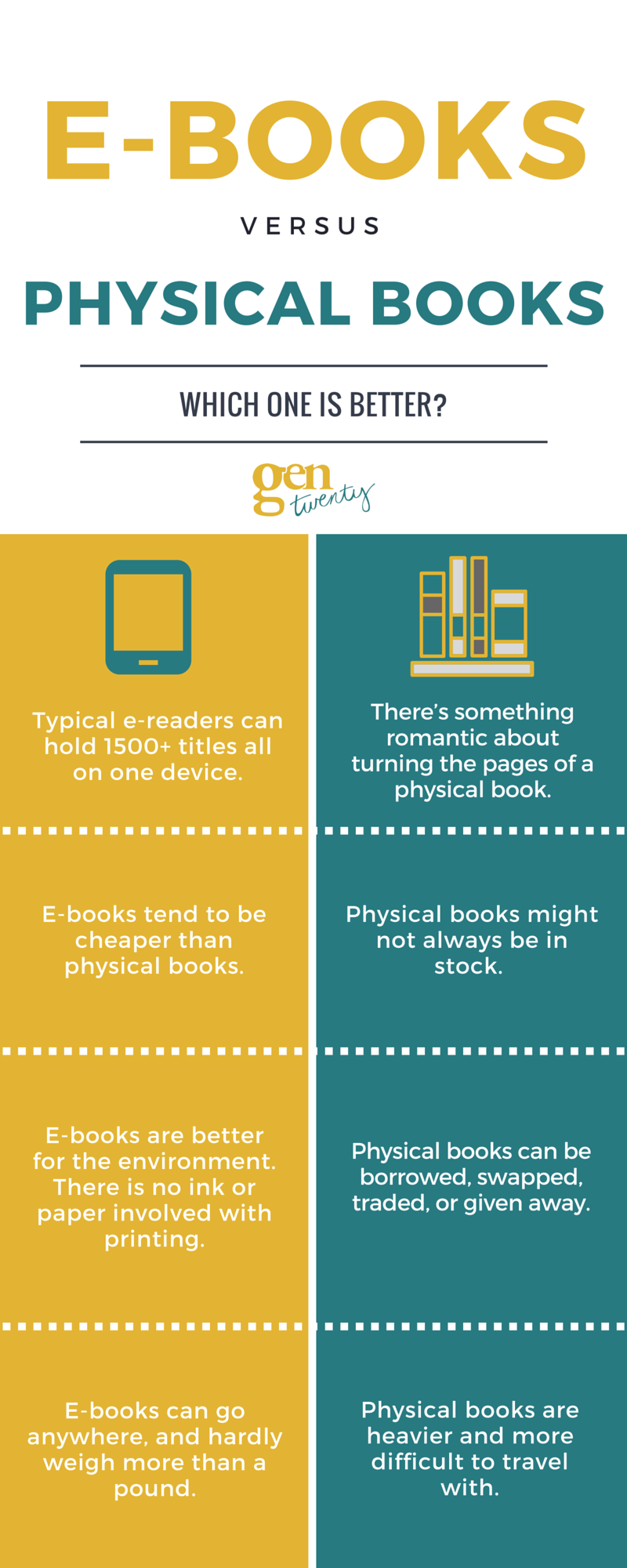
Reading physical books enhances focus, reduces eye strain, and provides a sensory experience that e-books cannot replicate.
Faq 2: How Do Physical Books Contribute To Better Comprehension?
Physical books offer tangible pages, allowing readers to easily navigate and engage with the text, leading to improved understanding and retention.
Faq 3: Are There Any Advantages Of Physical Books Over E-books?
Physical books provide a break from screens, promote a deeper connection to the content, and enable easier annotation and note-taking.
Conclusion
To sum up the advantages of reading physical books, it is evident that they offer a more immersive and sensory experience. The tangibility and smell of the pages, the absence of digital distractions, and the improved retention of information all contribute to a more fulfilling reading experience.
In a world dominated by digital technology, it is refreshing to disconnect and immerse ourselves in the pages of a physical book. So, make time to delve into the world of physical books and rediscover the joy of reading in its purest form.


