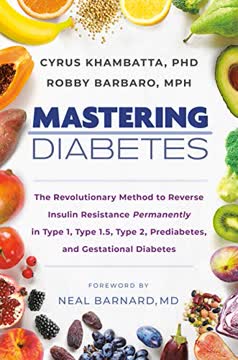
Mastering Diabetes by Cyrus Khambatta
Diabetes affects millions worldwide, but its root cause—insulin resistance—often remains misunderstood. “Mastering Diabetes” presents a science-backed, plant-based approach to reversing insulin resistance and improving overall health. The book debunks common misconceptions about carbohydrates and fat while providing a structured plan for sustainable lifestyle changes.
Who May Benefit from the Book
- Individuals with type 1, type 1.5, type 2, prediabetes, or gestational diabetes
- Health-conscious people aiming to improve insulin sensitivity and prevent chronic diseases
- Medical professionals seeking alternative, research-backed methods to manage diabetes
- People interested in plant-based nutrition and its effects on metabolic health
- Individuals struggling with weight management and looking for a sustainable dietary approach
- Fitness enthusiasts who want to optimize energy levels and endurance
- Anyone interested in improving heart health and reducing the risk of related conditions
Top 3 Key Insights
1. Insulin Resistance is the Root Cause of Diabetes
Most people believe high blood sugar causes diabetes, but insulin resistance is the real issue. Addressing insulin sensitivity helps prevent complications beyond diabetes, including heart disease and obesity.
2. A Low-Fat, Plant-Based Diet Enhances Insulin Sensitivity
Eating whole, unprocessed plant foods while minimizing fats improves glucose control. Fiber-rich foods support gut health and reduce insulin resistance.
3. Fat Quality Matters More Than Carbohydrate Intake
Not all fats are harmful, but excess saturated fat impairs insulin function. Prioritizing unsaturated fats in moderation supports metabolic health.
7 More Lessons and Takeaways
1. Carbohydrates Are Not the Enemy
Whole-food carbohydrates like fruits, legumes, and whole grains fuel the body while enhancing insulin sensitivity when consumed correctly.
2. Animal Products Contribute to Insulin Resistance
Studies show a direct link between meat consumption and diabetes risk due to high saturated fat and cholesterol levels.
3. Intermittent Fasting Improves Metabolic Health
Fasting periods allow the body to reset insulin sensitivity, burn fat efficiently, and enhance cellular repair mechanisms.
4. Exercise is Essential for Insulin Sensitivity
Cardio and resistance training help muscles absorb glucose, reducing insulin dependence and improving long-term health outcomes.
5. Blood Glucose Monitoring Helps Optimize Diet Choices
Tracking blood sugar responses to different foods enables better dietary decisions, leading to improved glycemic control.
6. Processed Foods Impair Insulin Function
Highly refined and processed foods lead to inflammation and worsen insulin resistance, making diabetes harder to manage.
7. Hydration and Sleep Impact Blood Sugar Levels
Proper hydration and adequate sleep play crucial roles in regulating glucose metabolism and reducing insulin resistance.
The Book in 1 Sentence
A low-fat, plant-based diet, combined with exercise and intermittent fasting, can significantly improve insulin sensitivity and overall health.
The Book Summary in 1 Minute
Insulin resistance is the root cause of all forms of diabetes, not just high blood sugar. A low-fat, plant-based diet improves insulin sensitivity while reducing the risk of chronic diseases. Whole-food carbohydrates are beneficial when consumed correctly. Limiting animal products, processed foods, and excess fat helps manage blood sugar effectively. Exercise enhances glucose absorption in muscles. Intermittent fasting improves metabolic health, while hydration and sleep play crucial roles. Blood glucose monitoring helps identify dietary impacts. “Mastering Diabetes” provides a structured, science-backed approach to reversing insulin resistance and living a healthier life.
The Book Summary in 10 Minutes
Insulin Resistance: The Root of Diabetes
Insulin resistance occurs when cells struggle to absorb glucose effectively. This condition underlies various chronic diseases, making it essential to address the cause rather than just managing symptoms.
The Role of a Low-Fat, Plant-Based Diet
A plant-based diet rich in whole foods lowers fat intake, reducing insulin resistance. The approach categorizes foods into three groups:
| Category | Examples |
|---|---|
| Green Light (Eat Freely) | Fruits, vegetables, legumes, whole grains |
| Yellow Light (Limit) | Nuts, seeds, avocados, tofu |
| Red Light (Avoid) | Dairy, processed meats, oils, refined carbs |
Carbohydrates: A Misunderstood Nutrient
Carbohydrates fuel the body, but the source matters. Whole-food carbs provide fiber, nutrients, and slow digestion, preventing blood sugar spikes. Refined carbs, on the other hand, disrupt glucose control.
The Harmful Effects of Animal Products
Animal foods contribute to insulin resistance due to their saturated fat content. Research links meat consumption with higher diabetes risk.
The Power of Intermittent Fasting
Intermittent fasting improves insulin sensitivity and promotes fat metabolism. Common methods include:
- 16:8 Method: 16-hour fast, 8-hour eating window
- 24-Hour Fast: Once per week
Exercise and Insulin Sensitivity
Physical activity helps glucose absorption, reducing insulin requirements. The combination of cardiovascular workouts and resistance training yields the best results.
Blood Glucose Monitoring for Optimal Control
Tracking blood sugar responses helps individuals tailor their diet and lifestyle to maintain better glucose control.
Hydration and Sleep as Key Factors
Dehydration raises blood sugar levels, while sleep deprivation worsens insulin resistance. Both factors play essential roles in metabolic health.
About the Author
Cyrus Khambatta holds a Ph.D. in Nutritional Biochemistry and is a leading expert in plant-based nutrition for diabetes management. He co-founded Mastering Diabetes and advocates evidence-based lifestyle interventions to reverse insulin resistance.
How to Get the Best of the Book
Apply the principles consistently for lasting results. Transition to a low-fat, plant-based diet, incorporate exercise, and track blood sugar responses. Experiment with intermittent fasting to optimize insulin sensitivity. Focus on whole foods while avoiding processed options and excess fats. Small, gradual changes lead to sustainable success.
Conclusion
“Mastering Diabetes” challenges traditional diabetes management approaches, focusing on insulin resistance rather than blood sugar alone. A plant-based diet, exercise, and fasting significantly improve metabolic health. This book provides a clear roadmap to reversing insulin resistance and achieving long-term wellness. Anyone looking to take control of their health will find valuable insights in this evidence-based guide.