What Is Ghostwriting: Unveiling the Secrets of Hidden Authors
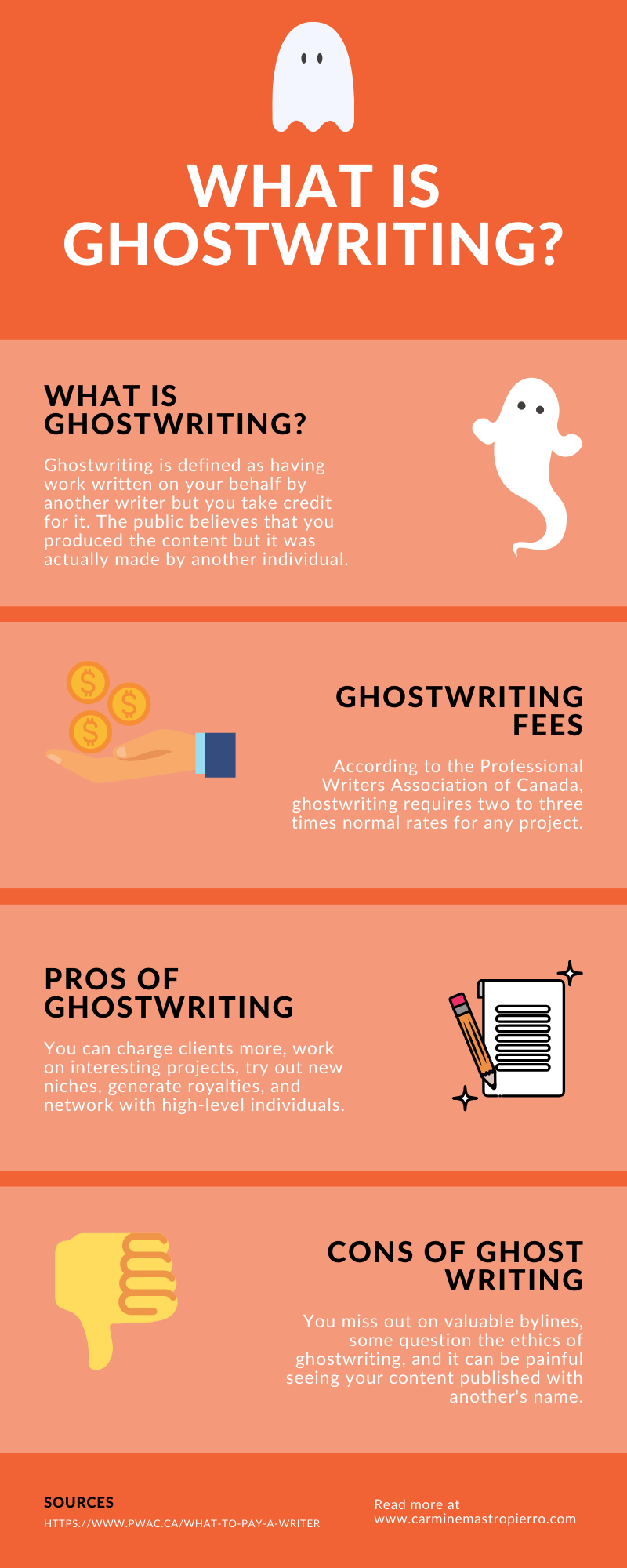
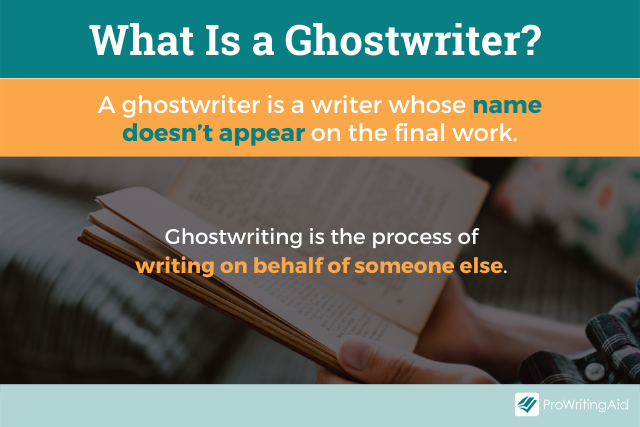
Ghostwriting is a service where a writer creates content for someone else. The work is published under the other person’s name.
This practice is common in books, articles, and speeches. Have you ever wondered how some people seem to publish books or articles so quickly? Often, the answer lies in ghostwriting. Ghostwriting involves a professional writer who crafts content on behalf of someone else.
The credited person provides the ideas or outlines, and the ghostwriter brings them to life with words. This collaboration allows the credited individual to maintain their voice and message without the time-consuming process of writing. Ghostwriting is a behind-the-scenes effort that helps many busy professionals and celebrities share their stories and expertise with the world.
Credit: smartblogger.com
Introduction To Ghostwriting
Ghostwriting is an intriguing aspect of the writing world. Many people have heard of it but do not fully understand what it entails. This section will provide a clear introduction to ghostwriting, covering its definition and a brief history.
Definition Of Ghostwriting
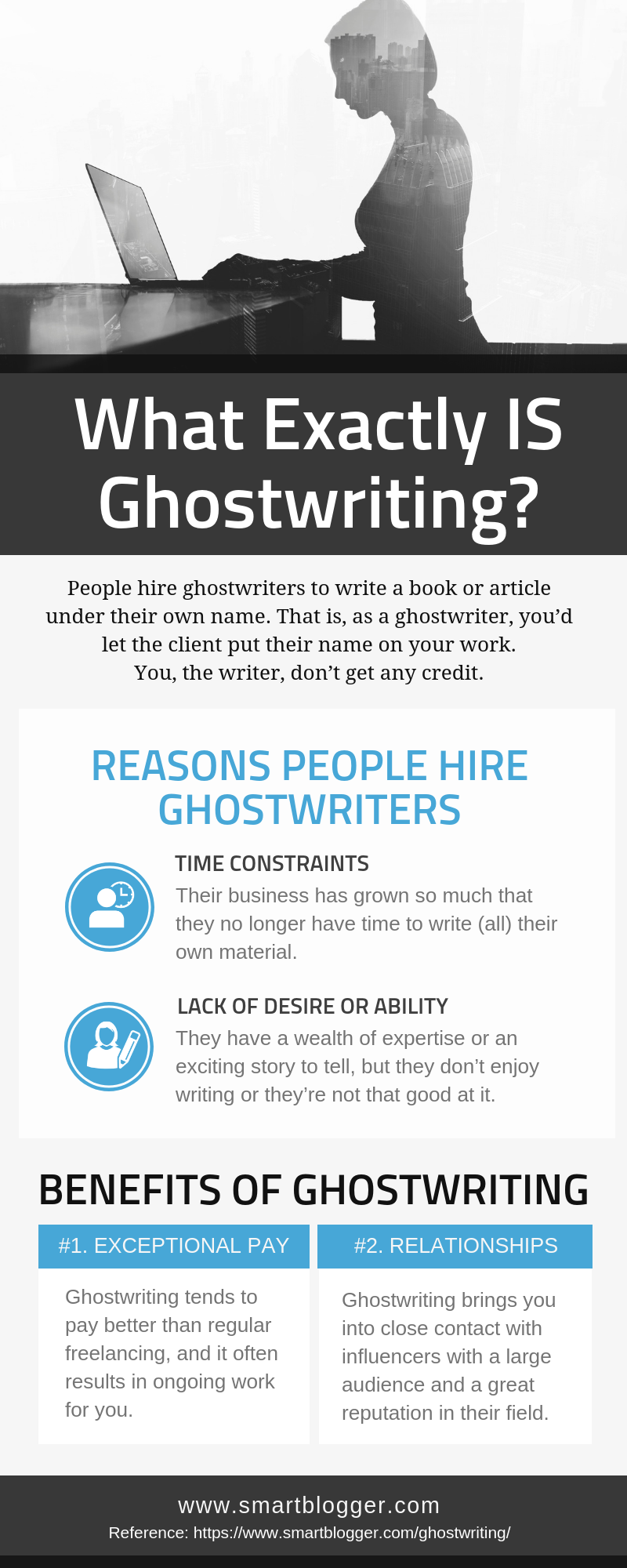
Ghostwriting is a practice where one person writes content for another who is credited as the author. The ghostwriter remains anonymous. This can include books, articles, blog posts, speeches, and more. The person who hires the ghostwriter may be too busy or lack the writing skills needed to produce high-quality content.
Ghostwriters must understand the voice and style of the credited author. They work closely with them to ensure the final product reflects their ideas and personality. This collaboration is crucial for creating authentic and engaging content.
Brief History
The concept of ghostwriting is not new. It dates back centuries. In ancient times, scribes would write for kings and noblemen. These scribes would document important events and create literature on behalf of their patrons.
In the 20th century, ghostwriting became more common in the publishing industry. Many famous autobiographies and novels were written by ghostwriters. Today, ghostwriting is prevalent in many areas, including business, politics, and entertainment. Celebrities, executives, and politicians often use ghostwriters to craft their public messages.
Ghostwriting continues to evolve with technology. The internet has made it easier for writers and clients to connect. This has led to a growing demand for ghostwriting services across various fields.
| Era | Details |
|---|---|
| Ancient Times | Scribes wrote for kings and noblemen. |
| 20th Century | Common in the publishing industry. |
| Modern Day | Prevalent in business, politics, and entertainment. |
The Role Of A Ghostwriter
A ghostwriter plays an essential role in the writing world. They create content for others, often without receiving credit. This can include books, articles, speeches, and blog posts. Ghostwriters work behind the scenes, bringing others’ ideas to life.
Their work allows busy professionals to share their thoughts and stories. Ghostwriters often collaborate closely with their clients. They ensure the final product reflects the client’s voice and vision.
Responsibilities
Ghostwriters have several key responsibilities. They conduct research to understand the topic thoroughly. They outline the content to ensure a clear structure. They write and revise drafts based on client feedback. They also maintain confidentiality about their role in the project.
Skills Required
Ghostwriters need strong writing skills. They must write clearly and concisely. Good listening skills are crucial for understanding the client’s needs. Ghostwriters should be adaptable, able to write in different styles and tones. They must also manage time well to meet deadlines.
Benefits Of Ghostwriting
Ghostwriting offers many benefits for both authors and ghostwriters. It creates opportunities to share stories, knowledge, and expertise. It also helps build careers and reputations. Let’s explore some specific benefits.
For Authors
Authors benefit immensely from ghostwriting. They can focus on their core skills or business. They don’t need to stress over writing. Here are some key benefits:
- Time-saving: Authors can save time by outsourcing the writing process.
- Expertise: Ghostwriters bring professional writing skills. They know how to craft engaging content.
- Confidentiality: Ghostwriters keep the author’s identity private. The author gets full credit for the work.
- Consistency: Ghostwriters ensure a consistent tone and style throughout the book.
For Ghostwriters
Ghostwriters also enjoy several benefits. Their skills are in high demand. They can work on varied projects. Here are some advantages:
- Steady Income: Ghostwriting can provide a reliable source of income.
- Flexibility: Ghostwriters often work from home. They can set their schedules.
- Experience: Ghostwriting helps build a diverse portfolio. This can lead to more opportunities.
- Skill Development: Ghostwriters improve their writing skills with each project. They learn new topics and industries.

Credit: www.youtube.com
Ethical Considerations
Ghostwriting involves creating content for someone else who takes the credit. Though common, it raises important ethical questions. These concerns need careful consideration to maintain integrity and trust in professional relationships.
Authorship Crediting
The central issue of ghostwriting is authorship crediting. Should the ghostwriter receive any recognition? Many believe the client should acknowledge the ghostwriter’s contribution. This can be done through a simple mention or sharing co-authorship. Giving credit fosters honesty and builds trust between the writer and the client.
Transparency
Transparency is crucial in ghostwriting. Both parties should clearly understand their roles and expectations. The client must disclose if they did not write the content themselves. This openness ensures the audience trusts the content’s authenticity. Clear agreements help prevent misunderstandings and protect both the writer and the client.
Credit: prowritingaid.com
Frequently Asked Questions
What Is Ghostwriting In Writing?
Ghostwriting is when someone writes a text for another person. The other person is credited as the author.
How Does Ghostwriting Work?
A ghostwriter writes content based on the client’s ideas. The client then publishes it under their own name.
Is Ghostwriting Ethical?
Yes, ghostwriting is ethical if both parties agree. It’s a common practice in many industries.
Conclusion
Ghostwriting offers a unique service. Writers create content for others, remaining anonymous. This practice helps busy professionals, celebrities, and authors. It’s a win-win for both parties. The ghostwriter gains experience and income. The client gets quality content without the time commitment.
Understanding ghostwriting can open new opportunities. It’s a valuable resource in today’s fast-paced world. Consider exploring ghostwriting for your next project.


