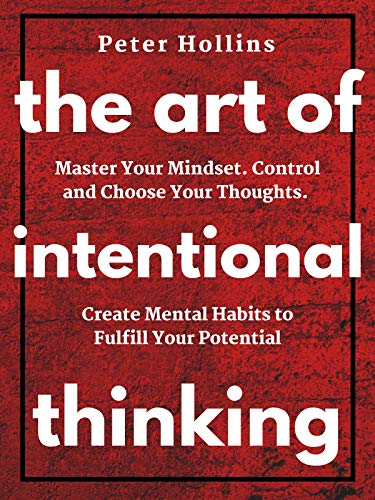
The Art of Intentional Thinking by Peter Hollins
The Art of Intentional Thinking by Peter Hollins presents an in-depth exploration of how our mindset shapes our reality and offers actionable strategies to transform thoughts, build resilience, and achieve success. With a focus on practical psychology, Hollins provides readers with tools to intentionally shift their thinking patterns, harness their potential, and overcome obstacles in life.
Who May Benefit from the Book
This book is ideal for:
- Individuals looking to improve their mindset and mental resilience
- Those seeking to understand how thoughts influence actions and outcomes
- People interested in self-improvement and personal growth
- Entrepreneurs and professionals looking to adopt productive, success-driven thinking patterns
- Anyone striving to overcome challenges and setbacks in life
Top 3 Key Insights
- Mindset Shapes Reality: Your beliefs and expectations influence your reality through unconscious actions, emotions, and perceptions.
- Growth Mindset Unlocks Potential: Embracing challenges, learning from failure, and valuing effort lead to greater success and personal development.
- Internal Locus of Control: Believing you control your actions and outcomes empowers you to take charge of your life and reach your goals.
7 More Lessons and Takeaways
- Perseverance through Stoicism: Embrace obstacles as opportunities for growth by focusing on what you can control and practicing emotional detachment.
- Action Over Overthinking: Avoid paralysis by analysis. Taking small, imperfect actions leads to learning and progress.
- Think Big with BHAGs: Set Big Hairy Audacious Goals and create systems to achieve them, reducing anxiety and promoting steady growth.
- Gratitude and Optimism: Practice gratitude daily and cultivate optimism to boost happiness, resilience, and success.
- Embrace Continuous Learning: Cultivate a humble mindset by acknowledging what you don’t know and committing to lifelong learning.
- Live in the Present Moment: Focus on the present to reduce stress, improve well-being, and gain a deeper appreciation for life.
- Challenge Limiting Beliefs: Regularly examine your thoughts and replace negative beliefs with empowering ones to foster personal growth and success.
The Book in 1 Sentence
The Art of Intentional Thinking teaches how to harness the power of mindset, action, and continuous learning to transform your life and achieve success.
The Book Summary in 1 Minute
In The Art of Intentional Thinking, Peter Hollins explores how mindset plays a central role in shaping our reality and success. By cultivating a growth mindset, taking responsibility for our actions, and reframing obstacles as opportunities, we can overcome challenges and achieve our goals. The book emphasizes the importance of adopting an internal locus of control, maintaining a humble learning attitude, and fostering gratitude and optimism. Through practical advice and psychological insights, Hollins provides strategies for improving thinking patterns and fostering resilience in the pursuit of personal and professional growth.
The Book Summary in 10 Minutes
1. Mindset and Its Impact on Reality
Hollins begins by emphasizing the power of mindset. He highlights how our beliefs and expectations—whether positive or negative—can shape our reality. This is seen in self-fulfilling prophecies, where the things we expect often come true because we act in ways that align with those beliefs. For instance, the placebo effect in medicine and the Pygmalion effect in education both demonstrate how powerful our thoughts are in determining outcomes. The key takeaway here is that our mindset influences our emotions, actions, and perceptions, impacting everything from personal relationships to career success.
To harness the power of mindset, Hollins encourages readers to challenge limiting beliefs and replace them with empowering ones. Visualizing success and focusing on positive outcomes are essential tools for shifting your mindset. The core message is that mindset is a choice, and by choosing an empowering mindset, individuals can significantly influence their circumstances.
2. Growth Mindset
A key concept in the book is Carol Dweck’s “growth mindset,” which contrasts with the fixed mindset. While the fixed mindset believes that abilities are innate and unchangeable, the growth mindset asserts that we can develop skills and abilities through effort and learning. Hollins encourages readers to adopt a growth mindset to unlock their potential.
The benefits of a growth mindset are immense: it fosters resilience, increases motivation, and leads to greater success in various areas of life. By viewing challenges as opportunities for growth, individuals with a growth mindset are more likely to persevere through difficulties and achieve long-term success. Hollins advises embracing challenges, seeking feedback, and focusing on progress rather than perfection to cultivate this mindset.
3. Internal Locus of Control
Hollins argues that those with an internal locus of control—believing that their actions directly affect outcomes—are more likely to succeed than those who attribute success or failure to external factors. This concept empowers individuals by reminding them that they have control over their actions and their future. The book stresses the importance of taking responsibility for one’s life and the choices that lead to personal success.
By adopting an internal locus of control, readers can set meaningful goals, learn from failures, and remain proactive in solving problems. It shifts the mindset from being a passive participant in life to an active agent of change, leading to better outcomes both personally and professionally.
4. Perseverance and Stoic Wisdom
Stoicism, an ancient Greek philosophy, is another key influence in the book. Hollins uses Stoic principles to teach readers how to build resilience and perseverance. One core Stoic idea is that we cannot control external events, but we can control our reactions to them. This approach allows individuals to reframe challenges as opportunities for growth.
Hollins also introduces the “40% Rule,” which comes from Navy SEALs training. This rule suggests that when you think you’ve reached your limit, you’ve only reached about 40% of your potential. This idea encourages individuals to push past perceived limitations and continue striving for more, even when things seem difficult.
5. Action Over Overthinking
Another crucial lesson in The Art of Intentional Thinking is the importance of action. Hollins warns against overthinking, which often leads to paralysis by analysis. Instead of waiting for the perfect moment or the perfect plan, the key is to take action—even imperfect action. This aligns with the concept that motivation follows action. By taking that first step, individuals build momentum and gain the confidence needed to continue.
Hollins offers practical strategies to overcome the tendency to overthink: start with small steps, set deadlines, and embrace imperfection. These strategies help readers make progress while learning and refining their approach along the way.
6. Big Hairy Audacious Goals (BHAGs)
One of the most compelling parts of the book is the concept of Big Hairy Audacious Goals (BHAGs). These are bold, long-term goals that push individuals and organizations beyond their comfort zones. Hollins encourages readers to think beyond incremental improvements and pursue audacious goals that inspire creativity and transformation.
To achieve BHAGs, Hollins suggests creating systems rather than focusing solely on the goals themselves. Systems provide repeatable processes that help individuals stay on track and make steady progress. This approach reduces the anxiety associated with big goals and focuses on consistent improvement and adaptation.
7. Gratitude and Optimism
The book also highlights the importance of gratitude and optimism. Hollins points out that practicing gratitude can lead to greater happiness, improved health, and stronger relationships. He recommends keeping a daily gratitude journal, expressing appreciation to others, and reframing negative experiences to find the silver lining.
Optimism is also a powerful tool for success. Optimistic individuals tend to be more resilient, healthier, and more successful. To cultivate optimism, Hollins advises challenging negative self-talk, visualizing positive outcomes, and surrounding oneself with positive influences.
8. Intellectual Humility and Continuous Learning
A humble, learning mindset is essential for personal growth. Hollins encourages readers to embrace the beginner’s mindset, even in familiar situations, and to seek out diverse perspectives. Intellectual humility involves recognizing that we don’t know everything and being open to new ideas. This mindset leads to increased problem-solving abilities, adaptability, and better relationships.
By challenging assumptions and admitting when we don’t know something, we become better learners and communicators. Hollins believes that true expertise comes from acknowledging the vastness of what we don’t know and continuing to seek growth.
9. Living in the Present
Finally, Hollins stresses the importance of living in the present moment. He explains that when we focus on the present, we reduce anxiety, improve our well-being, and gain a deeper appreciation for life. Techniques like mindfulness meditation, grounding ourselves in the present, and letting go of past regrets or future worries can help us stay connected to the here and now.
Living in the present also enhances focus, productivity, and emotional regulation. By focusing on what we can control in the present moment, we can better manage stress and enjoy the richness of life.
About the Author
Peter Hollins is a bestselling author and researcher in human psychology, holding a BS in psychology and a graduate degree. His work focuses on self-improvement, mental health, and cognitive enhancement, offering practical strategies for personal development. Hollins is known for his clear and organized writing style, making complex psychological concepts accessible to a wide audience.
How to get the best of the Book
To get the best out of The Art of Intentional Thinking, actively engage with the concepts by reflecting on your own mindset, taking small actions towards your goals, and incorporating the strategies into your daily routine. Regularly review the insights and apply them to your personal challenges for maximum benefit.
Conclusion
The Art of Intentional Thinking is an insightful guide that empowers readers to take control of their mindset and life. Through practical strategies and psychological insights, Hollins provides the tools necessary to overcome