
Is It Better to Read Full Book Or Summary?
It’s better to read the full book rather than just the summary to get a comprehensive understanding of the content. Reading the full book allows for a deeper immersion in the author’s context, perspective, and the nuances of the narrative, providing a richer experience and a better grasp of the material.
Additionally, delving into the complete text promotes critical thinking and retention of information. However, summaries can be helpful for obtaining a quick overview or revising key points. Ultimately, the choice between reading the full book or a summary depends on the individual’s preferences, time constraints, and the purpose for which the material will be used.
Benefits Of Reading Full Book
When it comes to choosing between reading a full book or a summary, many people wonder which option is better. While summaries can provide a quick overview of a book’s content, there are several significant benefits to reading the full book.
In-depth Understanding
Reading the full book allows you to immerse yourself in the story or subject matter, providing a deeper and more comprehensive understanding. By reading every page, you can uncover hidden nuances, subplots, and character developments that may be missed in a summary.
Furthermore, a full book presents information in a sequenced manner, allowing you to grasp the context and flow of ideas. This comprehensive understanding enhances your knowledge and helps you connect various concepts for a more well-rounded perspective.
Enhanced Critical Thinking
Reading a full book promotes enhanced critical thinking skills. As you delve into the story or explore the arguments presented, you are encouraged to form your own opinions and make judgments based on the evidence and logic presented in the book.
Full books often include thought-provoking ideas, complex characters, and intricate plotlines that challenge your analytical thinking. By engaging with the entire body of work, you get the opportunity to develop and refine your critical thinking abilities.
Additionally, reading the full book allows you to actively participate in the author’s intended narrative journey. You can experience the emotional highs and lows, empathize with the characters, and form a personal connection with the story.
Beyond the intellectual benefits, reading the full book is a gratifying experience that can transport you to different worlds, ignite your imagination, and instill a sense of accomplishment upon completion.
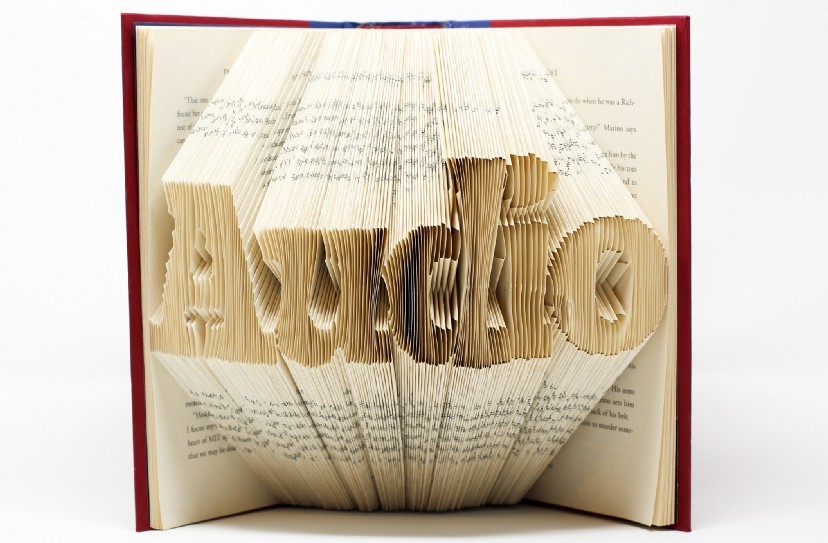
Credit: www.linkedin.com
Advantages Of Reading Summaries
When it comes to consuming information, the debate between reading a full book versus a summary is ongoing. While both options have their merits, there are distinct advantages to reading summaries that cannot be overlooked.
Saving Time
Reading a full book can be time-consuming. In today’s fast-paced world, many people find it difficult to dedicate long hours to pore over a complete book. Summaries, on the other hand, offer a time-efficient option. They provide a concise overview of the key points, allowing readers to grasp the main ideas in a fraction of the time it would take to read the entire book.
Getting Key Insights
One of the primary benefits of reading summaries is the ability to gain the crucial insights from a book without having to invest the time and effort in reading the entire text. Summaries offer a distilled snapshot of the most important concepts covered in the book, providing readers with access to essential information in a more manageable format.
Circumstances When Reading Full Book Is Recommended
When considering whether to read the full book or a summary, there are certain circumstances where reading the entire book is highly recommended. These situations may vary, but ultimately choosing to read the complete text can be crucial for obtaining a comprehensive understanding of the subject matter. Below, we will discuss a few instances where reading the full book is advantageous.
Research Or Academic Purposes
For academic or research purposes, it is essential to delve into the entirety of a book as it provides a deeper insight into the topic. Reading the full book allows for a more in-depth understanding of the author’s arguments and viewpoints. It also enables the reader to critically analyze and cross-reference the information, which is crucial in academic or research settings.
When The Book Is Highly Recommended
There are instances when a book is highly acclaimed or recommended by trusted sources. In such cases, it is advisable to read the entire book to fully grasp the depth and nuance of the content. This enables readers to engage with the material at its fullest potential, gaining a richer understanding of the author’s intended message and insights.

Credit: www.amazon.com
Situations Where Reading Summaries Is Preferred
While reading an entire book offers a comprehensive understanding of the subject matter, there are situations where reading summaries can be a preferred option. In today’s fast-paced world, time is a precious commodity, and not everyone can devote hours to read a book cover to cover. Additionally, there may be instances where you only require a quick overview of the key points. In such cases, reading summaries can provide a condensed version of the book, allowing you to grasp the main ideas efficiently.
Limited Time Availability
In today’s busy lifestyle, finding the time to read a full book can be a challenge. With numerous commitments and responsibilities, it’s not always feasible to allocate significant chunks of time to read. However, by opting for a summary, you can still gain valuable insights in a fraction of the time it takes to read an entire book. Summaries provide a succinct account of the essential information, allowing you to make the most of your limited availability.
Need For A Quick Overview
There are situations where you may not require an in-depth understanding of a particular book. Instead, you might just need a quick overview to familiarize yourself with the main ideas or concepts. For instance, when conducting research or preparing for a presentation, reading the book summary can provide the necessary context without delving into the intricacies of the entire book. By opting for a summary, you can efficiently gather the key points and save time.
In summary, while reading a full book offers a comprehensive understanding, there are situations where reading summaries can be more advantageous. Limited time availability and the need for a quick overview are two main reasons why opting for summaries is preferred. By choosing summaries, one can efficiently extract the main ideas while saving time and effort.
The Importance Of Balancing Both Reading Methods
In the world of reading, the debate between reading full books and reading summaries has been ongoing. Some argue that reading the full book allows for a comprehensive understanding of the content, while others believe that reading a summary is more time-efficient. However, the truth lies in finding the right balance between these two methods. By combining deep understanding with time efficiency, we can make informed decisions and maximize our reading experience.
Combining Deep Understanding And Time Efficiency
When it comes to gaining a deep understanding of a subject matter, reading the full book is often the preferred method. By reading every page and absorbing the author’s ideas and arguments, we can truly grasp the intricacies of the topic at hand. This method allows us to connect the dots and form a holistic perspective that a summary might miss.
However, it’s important to acknowledge that not every book deserves our undivided attention. In our fast-paced world, time is a valuable commodity. In such cases, turning to summaries can be a practical approach. Summaries provide concise and condensed versions of books, focusing on key points and main ideas. They allow us to digest information quickly and gain a general understanding of the book’s content.
By combining these two methods, we can strike a balance between deep understanding and time efficiency. The key lies in identifying which books require our full attention and which can be effectively understood through summaries. This approach ensures that we make the most of our reading time and gain valuable insights from both sources.
Making Informed Decisions
Another benefit of balancing both reading methods is the ability to make informed decisions. Reading the full book equips us with comprehensive knowledge, enabling us to form our own opinions and judgments. We become more confident in our understanding and evaluation of complex subjects.
On the other hand, summaries offer a broader perspective by exposing us to a variety of books within a shorter time frame. By reading summaries, we can explore different authors, theories, and ideas, allowing us to make well-informed decisions about which books to invest our valuable time in. Additionally, summaries can help us decide if a book is worth delving into further or if a basic understanding suffices.
By utilizing both reading methods, we can expand our knowledge and develop a discerning eye for quality content. We become better equipped to choose books that align with our interests and goals, ensuring that our reading experience is both enriching and purposeful.
Ultimately, the importance of balancing both reading methods lies in the maximization of our reading experience. By combining deep understanding and time efficiency, we can gain comprehensive knowledge, make informed decisions, and expand our horizons. So, whether it’s diving into the pages of a captivating book or skimming through a well-crafted summary, remember to strike that perfect balance and enjoy the benefits of both methods.

Credit: www.amazon.com
Frequently Asked Questions Of Is It Better To Read Full Book Or Summary?
Is Book Summary Better Than Reading Whole Book?
A book summary provides a condensed version of the main points, so you can get the gist of the book without reading the whole thing. It can be helpful for those short on time or looking for a quick overview.
However, reading the entire book allows for a deeper understanding and immersion in the author’s ideas. Ultimately, it depends on your preference and goals.
Should I Read A Summary Of A Book Before Reading It?
Reading a summary of a book before reading it is a personal choice. Summaries can give you an idea of the book’s content, helping you decide if it’s something you would enjoy. However, some readers prefer going into a book without any prior knowledge, allowing for a more immersive experience.
Ultimately, it depends on your reading preferences.
Is It Ok To Not Finish Reading A Book?
Yes, it’s okay to not finish reading a book if it doesn’t capture your interest. Reading should be enjoyable.
Conclusion
To wrap it up, deciding whether to read a full book or opt for a summary depends on various factors including time availability and personal preference. While summaries offer a convenient way to grasp the main ideas in a shorter time, reading the full book allows for a deeper understanding and connection with the story.
Ultimately, the choice rests on your priorities and goals as a reader. Remember, there is no right or wrong approach, as long as you continue to indulge in the joy of reading. Happy reading!


