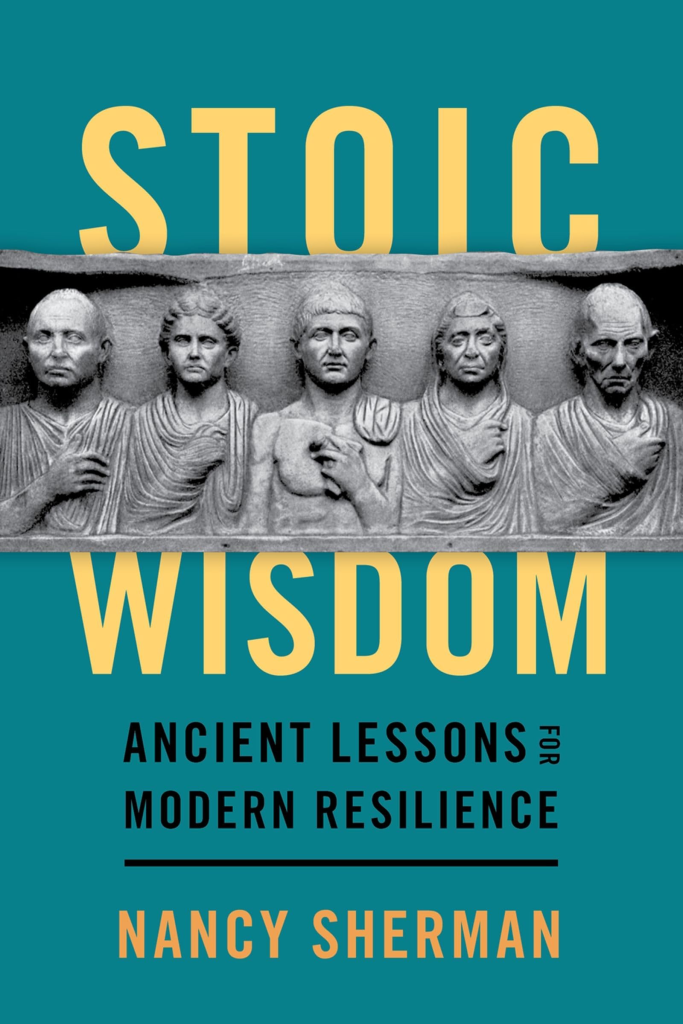
Stoic wisdom by Nancy Sherman
Stoicism has gained renewed interest as a guide for navigating modern challenges with resilience and clarity. This book distills ancient Stoic wisdom into practical strategies for managing stress, building emotional mastery, and cultivating a balanced life. Through timeless teachings adapted for today’s fast-paced world, it provides a blueprint for focusing on what we can control and finding peace amid uncertainty.
Who May Benefit from the Book
- Individuals facing high-stress environments or daily challenges.
- Military personnel or first responders dealing with trauma and resilience.
- People interested in self-mastery and personal growth.
- Readers exploring Stoic philosophy for practical, modern applications.
- Professionals seeking emotional control and resilience in demanding jobs.
Top 3 Key Insights
- Resilience Through Control: Stoicism’s principle of focusing on what can be controlled while accepting what cannot is a grounding approach for stress.
- Mental Preparation: Techniques like pre-rehearsal build resilience by envisioning potential challenges and strengthening one’s response to adversity.
- Balanced Stoicism: Emphasizes community support, not just personal strength, highlighting the importance of relationships in building resilience.
7 More Lessons and Takeaways
- Stoic Emotional Layers: Recognizing emotions as cognitive processes, Stoicism provides tools to evaluate and moderate reactions.
- Mental Reservation: This concept promotes adaptability, adding “if nothing prevents it” to plans, reducing stress from unexpected changes.
- Social Resilience: Stoicism underscores social bonds for resilience, advocating shared humanity and empathy in hardship.
- Moral Injury: The philosophy aids those grappling with moral distress, balancing accountability with self-compassion.
- Modern Adaptability: Stoic principles are applied flexibly in contemporary life, making them highly relevant for modern challenges.
- Practical Daily Practice: Stoicism encourages journaling, mindfulness, and reflection for daily mental conditioning.
- Acknowledgment of Vulnerability: Modern Stoicism embraces both resilience and human vulnerability, focusing on growth alongside compassion.
The Book in 1 Sentence
Stoicism is a timeless toolkit for building resilience, emotional mastery, and ethical living, adaptable to the complexities of modern life.
The Book Summary in 1 Minute
Stoicism, an ancient philosophy, has re-emerged as a practical tool for managing the complexities of modern life. Centered around emotional resilience, self-mastery, and ethical living, the philosophy teaches techniques like cognitive reframing, emotional regulation, and mental preparation. These approaches are suitable for high-stress situations, encouraging individuals to focus on what they can control while accepting what they cannot. By integrating Stoicism’s concepts of shared humanity and moral responsibility, readers gain a balanced approach to resilience that honors both inner strength and social connections. Its adaptable techniques, such as daily reflection and mindfulness, make it accessible for anyone seeking calm and clarity.
The Book Summary in 10 Minutes
Resilience and Control
Stoicism emphasizes the importance of focusing on what we can control while releasing concern over what we cannot. This fundamental principle reduces stress, providing a psychological foundation for resilience. By accepting the limits of our control, Stoicism encourages individuals to direct energy toward constructive action rather than reacting emotionally to external events.
Techniques for Emotional Mastery
The Cognitive Layers of Emotion
The Stoic approach to emotions differentiates between base emotional reactions, which are immediate physical responses; cultivated emotions aligned with virtue; and pre-emotional responses. This layered understanding allows individuals to examine and moderate their reactions, leading to greater emotional stability. Practicing Stoic techniques encourages a measured response aligned with reason rather than impulse.
Emotional Reframing
Stoicism advises re-evaluating our initial judgments about situations. By viewing emotions as products of cognitive processing, rather than uncontrollable responses, we can adopt healthier perspectives on emotionally charged events. For example, anger over a slight may be reframed as an opportunity to practice patience, leading to calm rather than resentment.
Mental Preparation Techniques
Pre-Rehearsal and Mental Reservation
To build resilience, Stoicism suggests pre-rehearsal, a form of mental preparation where one anticipates challenges and envisions adaptive responses. This technique reduces the impact of unexpected events by mentally rehearsing responses in advance. Adding “if nothing prevents it” to plans, as in the technique of mental reservation, also instills adaptability, helping one face changing circumstances with composure.
Social Connection and Resilience
Contrary to common misconceptions, Stoicism does not advocate for an isolated, invulnerable mindset. Instead, it acknowledges human interconnectedness and the role of relationships in resilience. Practicing empathy, understanding shared human experience, and valuing supportive bonds enhance one’s emotional endurance. This balanced approach to resilience highlights the strength in vulnerability and emphasizes the importance of supportive communities.
Addressing Moral Injury
Moral injury, or trauma resulting from severe ethical conflicts, is another area where Stoicism offers valuable insights. The philosophy helps individuals address moral distress by encouraging acceptance of personal limitations, cultivating self-compassion, and situating individual experiences within a broader ethical framework. This balanced perspective is particularly relevant for those in high-stress, ethically complex roles like military service or healthcare.
Adapting Stoicism for Modern Challenges
Modern Stoicism has been reimagined as a practical philosophy that fits well with contemporary life. Its principles, such as journaling, mindfulness, and reframing challenging situations, offer accessible tools for managing stress and building resilience. Stoicism’s adaptability ensures that its core teachings can be flexibly applied to a variety of individual circumstances, making it a relevant resource for personal and professional development.
Building a Healthy Stoicism: Balance and Vulnerability
A balanced approach to Stoicism integrates psychological resilience with acknowledgment of human vulnerabilities. It cultivates emotional mastery without suppressing feelings and promotes resilience through both individual strength and community support. This thoughtful interpretation of Stoicism promotes a life philosophy that respects personal boundaries while engaging ethically with the broader world.
About the Author
Nancy Sherman, a philosophy professor at Georgetown University, is known for her expertise in ethics and military philosophy. Her work, influenced by her background in psychoanalysis and personal experiences, explores moral challenges faced by soldiers and individuals in high-stress professions. She has written extensively on themes of resilience, moral injury, and the ethical dilemmas of warfare, making her a leading voice in applying Stoicism to modern life.
How to Get the Best of the Book
To fully benefit, approach the book with an open mind and a willingness to reflect. Practice Stoic techniques like daily journaling and mindfulness, applying them to real-life situations to build resilience and emotional balance.
Conclusion
This book offers timeless Stoic wisdom, reinterpreted for modern life, providing readers with tools to navigate today’s complexities. It guides individuals in managing emotions, fostering resilience, and enhancing relationships. For anyone seeking a balanced, ethical approach to living, it’s a refreshing take on cultivating personal growth alongside social empathy.