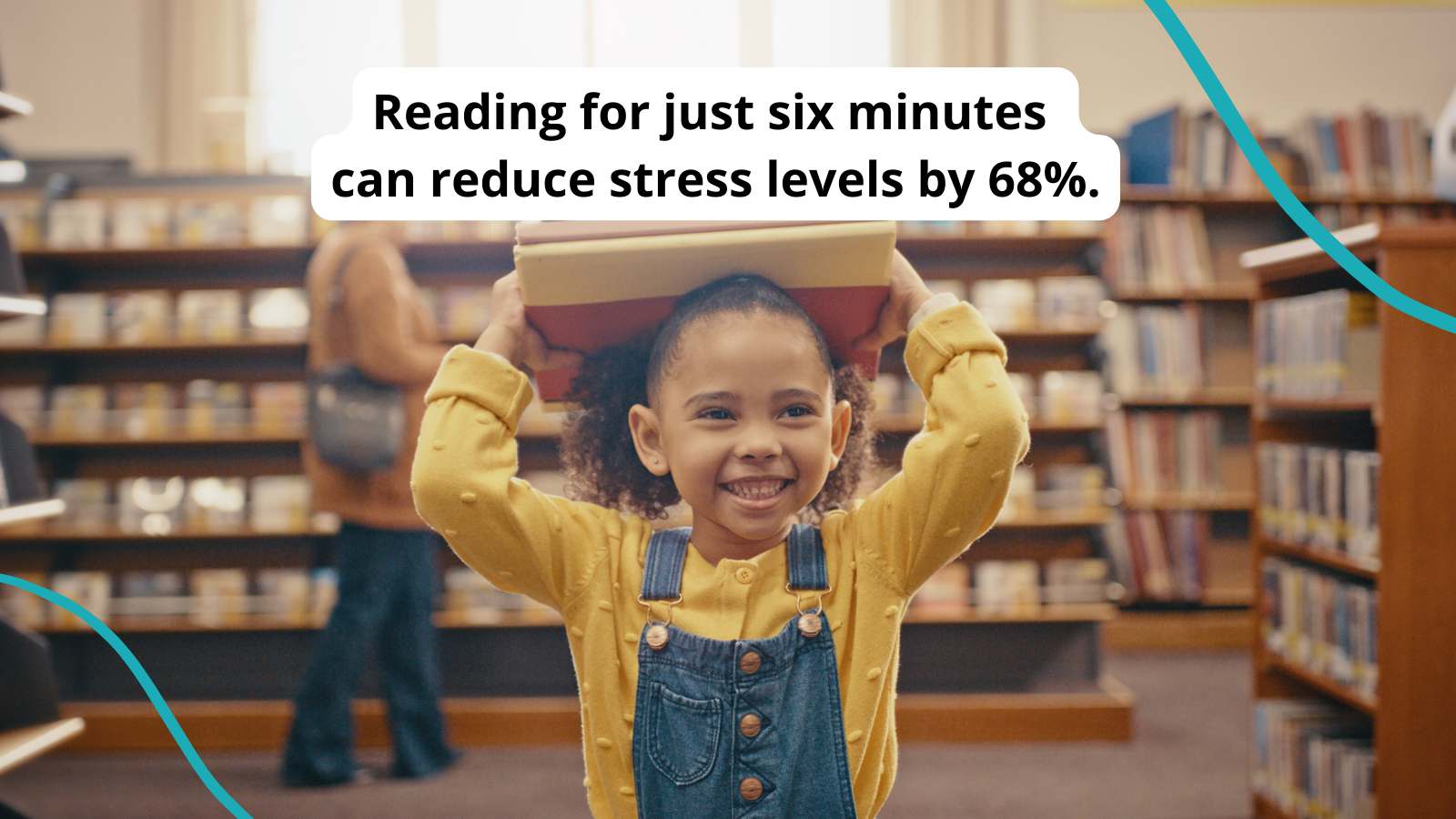
Book Reading Benefits for Kindergarten
Kindergarten book reading offers cognitive, language, and social-emotional development benefits, setting a strong foundation for learning and future academic success. It enhances vocabulary, comprehension, and critical thinking skills while fostering a love for books and learning that can last a lifetime.
In the formative years of kindergarten, book reading plays a crucial role in a child’s overall development. It not only aids in language acquisition and cognitive development but also nurtures essential social and emotional skills. Engaging children in reading at a young age can ignite a passion for learning and exploration while providing a solid foundation for academic success.
Additionally, it opens doors to creativity, imagination, and empathy, creating a well-rounded educational experience. As such, embracing book reading in kindergarten can significantly impact a child’s growth and prepare them for future learning endeavors.
Boosts Language Development
Book reading plays a crucial role in boosting language development in kindergarten children. It can greatly influence their vocabulary and communication skills, setting a strong foundation for future academic success.
Cultivates Vocabulary
Engaging in regular book reading helps kindergarten children to cultivate a rich vocabulary. Exposure to diverse words and concepts through stories and picture books expands their language comprehension, enabling them to express their thoughts and emotions effectively.
Improves Communication Skills
Through immersion in books, kindergarteners improve their communication skills. They learn how to articulate their ideas, express themselves clearly, and understand the nuances of language, which is essential for effective communication and social interaction.
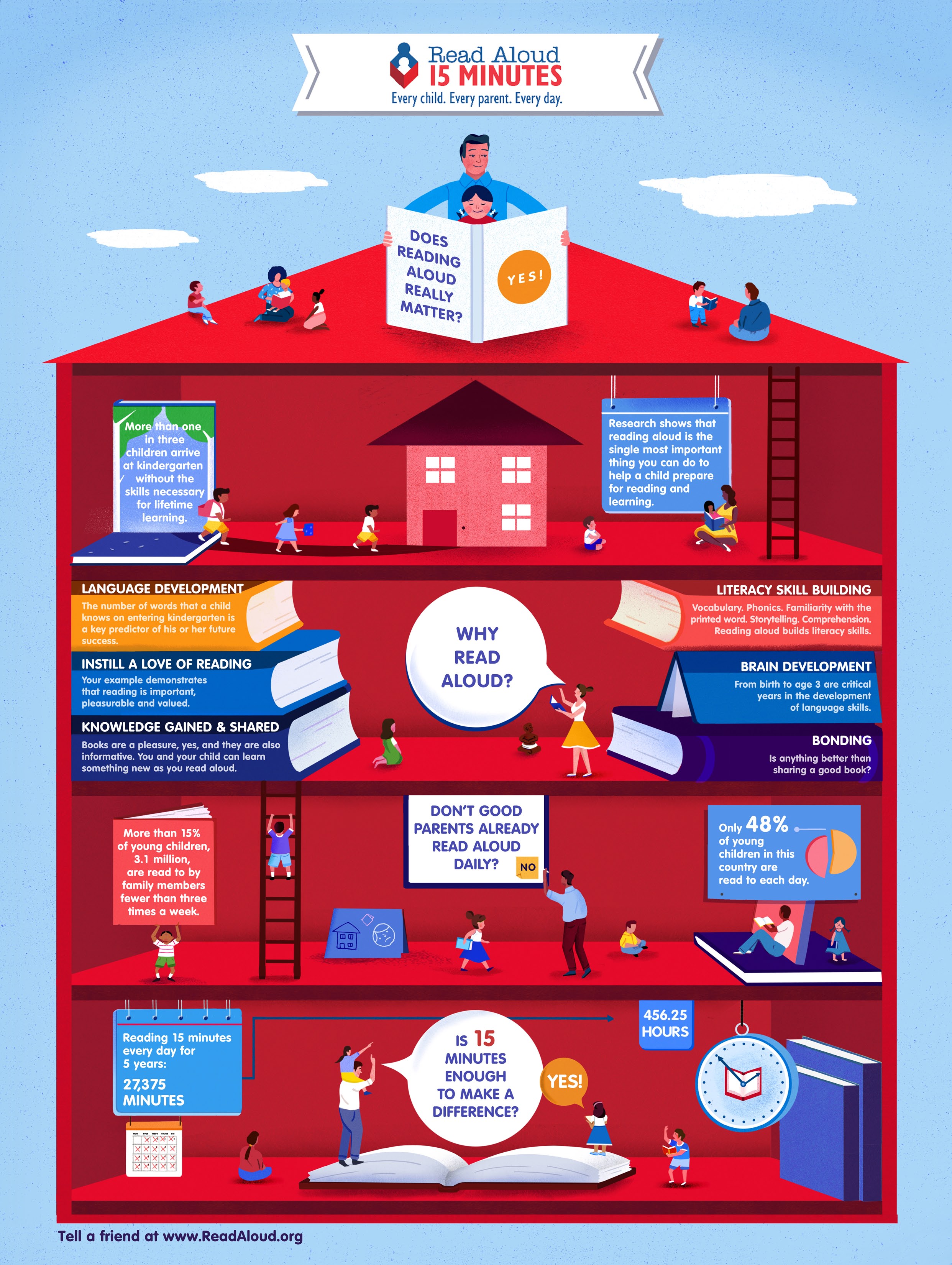
Credit: www.learningscientists.org
Enhances Cognitive Abilities
Reading books at a young age can significantly enhance cognitive abilities in kindergarteners. It helps to develop their critical thinking, enhances problem-solving skills, and fosters overall cognitive development.
Develops Critical Thinking
Reading helps kindergarteners to critically analyze stories, characters, and plotlines, thus enhancing their critical thinking skills. When children engage with books, they are encouraged to think beyond the surface and interpret the content, which stimulates their cognitive processes.
Enhances Problem-solving Skills
Through reading, kindergarteners are exposed to various plot twists, some unexpected events, and complex situations within stories. This exposure allows them to develop their problem-solving skills as they analyze, interpret, and find solutions to the challenges presented in the narratives.
Fosters Creativity And Imagination
Book reading benefits for kindergarten students go far beyond simply building vocabulary and language skills. One of the most significant advantages is how it fosters creativity and imagination in young minds. When children dive into the pages of a book, their imaginations take flight, and a world of possibilities opens up before them.
Ignites Imagination
Reading books ignites the imagination of kindergarten children, allowing them to explore new ideas and concepts. As they immerse themselves in a story, their minds start to envision the characters, settings, and events being described. This imaginative process helps children develop a rich inner world where they can invent and dream beyond the boundaries of reality.
Inspires Creativity
The act of reading not only ignites imagination but also inspires creativity in kindergarten students. Through the stories they read, children are exposed to diverse perspectives, ideas, and ways of thinking. This exposure sparks their own creative thinking abilities, encouraging them to come up with unique solutions to problems and explore their own ideas.
Books also provide opportunities for young readers to encounter different artistic styles, as many children’s books contain colorful illustrations and imaginative designs. By experiencing these visual elements, kindergartners are inspired to create art of their own, whether it be through drawing, painting, or even crafting their own stories.
Furthermore, reading broadens a child’s exposure to different storytelling techniques, narrative structures, and writing styles. Kindergartners can incorporate these elements into their own imaginative play and storytelling activities, further enhancing their creativity and self-expression.
The Power Of Book Reading
Book reading is a powerful tool that helps kindergarten children foster their creativity and imagination. By igniting their imaginations and inspiring their creativity, books open up a world of endless possibilities and encourage young minds to explore and express themselves in unique ways.
Builds Social And Emotional Skills
Reading books is a wonderful activity for kindergarteners that goes beyond just improving their vocabulary and language skills. It also plays a crucial role in their social and emotional development. Through books, children have the opportunity to explore different emotions, understand perspectives, and learn valuable life lessons. Let’s take a closer look at how book reading benefits kindergarteners’ social and emotional skills.
Promotes Empathy
Books are like windows to different experiences and worlds, allowing kindergarteners to step into the shoes of different characters. This builds empathy as children can gain insight into the feelings and experiences of others. By identifying with the characters in the story, they learn to understand and relate to people who may have different backgrounds, cultures, or experiences. Empathy is an essential skill for building strong relationships and fostering a caring and inclusive environment.
Encourages Social Interaction
Reading books together creates a bonding experience between kindergarteners, their parents, or their peers. It provides an opportunity for shared enjoyment and meaningful discussions. Whether it’s a group reading session in the classroom or a cozy story time at home, reading encourages social interaction and strengthens relationships. By discussing the characters, plot, and themes, children learn to express their thoughts and opinions, listen actively to others, and engage in thoughtful conversations.
Improves Concentration And Focus
Reading books has numerous benefits for kindergarten children. One of the key advantages is that it improves concentration and focus. Let’s explore two specific ways in which reading enhances this crucial skill set.
Increases Attention Span
By engaging in the habit of reading books at an early age, kindergarten children can significantly increase their attention span. Regular reading allows them to immerse themselves in the story and follow the narrative for an extended period. As children encounter various characters, plots, and ideas in books, they develop the ability to focus on one activity for a more extended period.
Enhances Cognitive Control
Another significant benefit of book reading for kindergarten children is the enhancement of cognitive control. Cognitive control refers to the brain’s ability to manage and regulate thoughts and actions. As children actively read and navigate through the pages, their brains are constantly processing information and making connections. This mental exercise strengthens cognitive control, enabling children to filter distractions and stay focused on the task at hand.
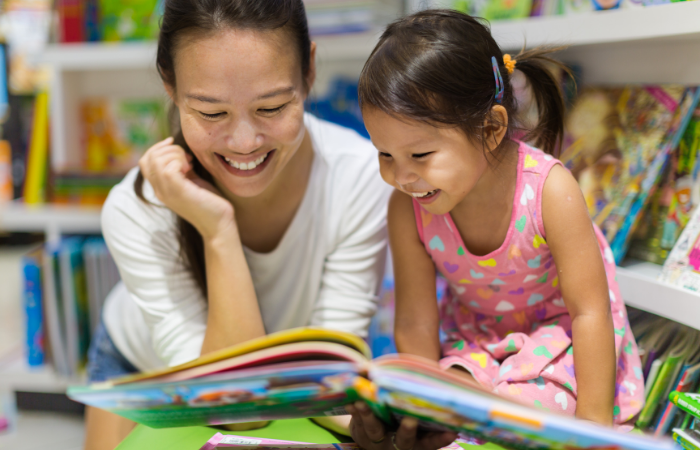
Credit: www.all4kids.org

Credit: readingpartners.org
Frequently Asked Questions Of Book Reading Benefits For Kindergarten
How Does Reading Books Benefit Kindergarten Children?
Reading books helps develop vocabulary, stimulates imagination, improves concentration, and enhances language skills in kindergarten children.
What Are The Cognitive Benefits Of Book Reading For Kindergarteners?
Book reading enhances critical thinking, problem-solving abilities, memory retention, and overall cognitive development in kindergarteners.
Does Reading Books Promote Social Skills In Kindergarten Children?
Book reading fosters empathy, promotes social interaction, encourages teamwork, and improves communication skills in kindergarten children.
Conclusion
Reading books in kindergarten offers numerous benefits that promote children’s intellectual, emotional, and social growth. It fosters language development, enhances imagination, and nurtures a love for learning. By exposing young minds to the wonders of storytelling, books expand their knowledge, vocabulary, and cognitive skills.
Moreover, reading books together also strengthens the bond between children and their parents or caregivers. Book reading at an early age sets the foundation for a lifelong love of reading and opens doors to endless opportunities for personal and academic growth.

