How To Become An Author: A Step-by-Step Guide to Success
Becoming an author is a dream for many. It’s a journey of passion and persistence.
Ever wondered how authors transform ideas into books? The process might seem daunting, but with the right steps, anyone can achieve it. Writing a book involves more than just putting words on paper. It requires dedication, creativity, and a clear plan.
Whether you aim to write fiction or non-fiction, understanding the basics is essential. This guide will walk you through the essential steps to becoming an author. From finding your voice to getting published, we’ll cover it all. Ready to embark on your writing journey? Let’s dive in and explore how you can turn your dream into reality.
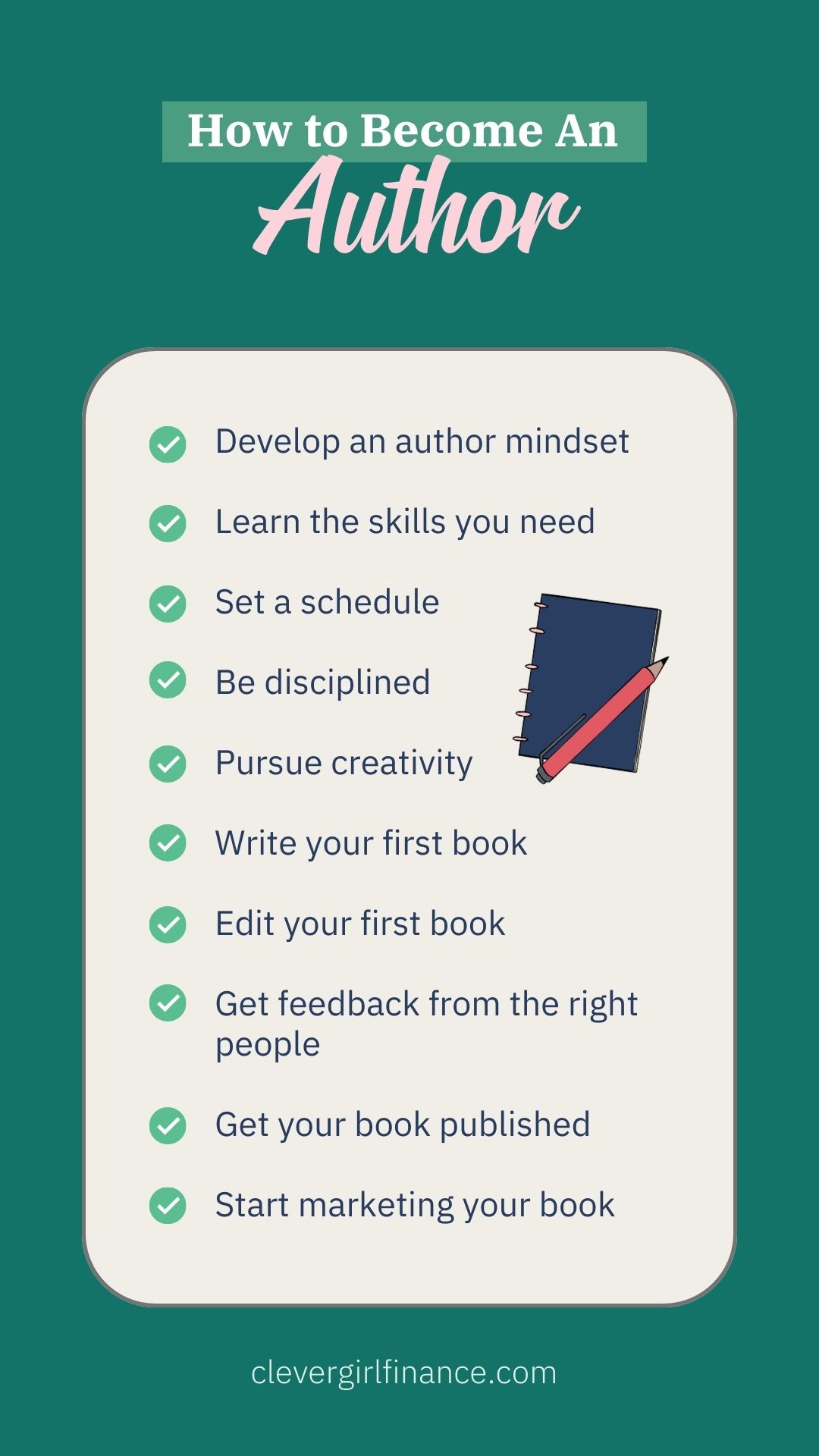
Credit: www.clevergirlauthor.com
Choosing Your Genre
Choosing the right genre is a crucial step in becoming an author. The genre you choose will shape your writing style and audience. It is important to explore different genres and find one that suits your passion and skills.
Exploring Different Genres
There are many genres to choose from, each with its unique characteristics. Here are some popular genres to consider:
- Fiction: Stories created from the imagination. Includes sub-genres like fantasy, science fiction, and romance.
- Non-Fiction: Based on facts and real events. Includes biographies, self-help, and history.
- Mystery: Stories that involve solving a crime or uncovering secrets.
- Thriller: Fast-paced and full of suspense, often involving danger and excitement.
- Horror: Designed to scare and create a feeling of fear.
- Young Adult: Written for teenagers, often dealing with coming-of-age themes.
Finding Your Niche
Once you have explored different genres, it is time to find your niche. This is the specific area within a genre that you are passionate about. Here are some tips to help you find your niche:
- Reflect on Your Interests: Think about what you love to read and write. Your interests can guide you to your niche.
- Analyze Market Trends: Research what genres are popular and selling well. This can help you align your niche with market demand.
- Experiment with Writing: Try writing in different genres and styles. This will help you discover what you enjoy the most.
- Seek Feedback: Share your writing with others and get their opinions. Feedback can provide valuable insights into your strengths and areas for improvement.
Choosing your genre and finding your niche are essential steps in your journey to becoming an author. By exploring different genres and identifying your passion, you can create engaging and meaningful content for your readers.

Credit: www.goodreads.com
Developing Your Writing Skills
Developing your writing skills is crucial to becoming an author. It involves dedication, practice, and learning. The more you write, the better you get. This section will focus on two key methods to improve your writing: Writing Regularly and Attending Workshops.
Writing Regularly
Writing regularly helps you improve over time. Here are some tips:
- Set aside time each day for writing. Consistency is key.
- Start with short stories or journal entries. These can help build your confidence.
- Read widely. Reading different genres can inspire your own writing.
- Keep a writing journal. Note down ideas, phrases, and inspirations.
Regular writing improves your style and voice. It also helps you find your unique writing rhythm.
Attending Workshops
Workshops offer a great way to learn and grow as a writer. They provide:
| Benefits | Description |
|---|---|
| Feedback | Receive constructive criticism from peers and mentors. |
| Networking | Meet other writers and industry professionals. |
| Learning | Gain new techniques and insights from experienced authors. |
Look for local or online workshops. Choose those that fit your schedule and interests. Participating in workshops can help you understand different writing styles and improve your own.
Crafting Your Story
Crafting your story is a vital step in becoming an author. It is the process where your ideas start to take shape. Your story gains structure and depth. This section will guide you through creating an outline and building characters.
Creating An Outline
An outline is the backbone of your story. It helps organize your thoughts and ensures a logical flow. Begin with a basic structure:
- Introduction
- Rising Action
- Climax
- Falling Action
- Resolution
Identify key events for each part. This keeps your story focused. Use bullet points for clarity. Here is an example:
| Section | Key Events |
|---|---|
| Introduction | Introduce main characters and setting |
| Rising Action | Develop conflicts and build tension |
| Climax | Show the turning point of the story |
| Falling Action | Resolve conflicts and lead to closure |
| Resolution | Provide a satisfying ending |
Building Characters
Characters are the heart of your story. They drive the plot and engage readers. Create diverse and relatable characters. Consider these elements:
- Name: Choose names that fit the character’s personality.
- Appearance: Describe their physical traits.
- Background: Include their history and experiences.
- Personality: Define their traits and quirks.
- Goals: Identify their desires and motivations.
Here is a character template:
Name: [Character Name]
Appearance: [Description]
Background: [History]
Personality: [Traits]
Goals: [Desires]
Use this template to flesh out your characters. Make them unique and memorable. Strong characters make a strong story.
Credit: www.youtube.com
Getting Published
Getting your book published is a big step in your journey as an author. There are several paths you can take, each with its own pros and cons. In this section, we will explore the different ways to get your manuscript out into the world and into readers’ hands.
Traditional Vs. Self-publishing
One of the first decisions you’ll need to make is whether to pursue traditional publishing or self-publishing. Each option has unique benefits and challenges.
| Traditional Publishing | Self-Publishing |
|---|---|
|
|
Submitting Your Manuscript
If you choose traditional publishing, you will need to submit your manuscript to literary agents or publishers. Here are the steps involved:
- Research potential agents or publishers who specialize in your genre.
- Prepare a query letter that introduces your book and yourself.
- Write a synopsis of your book, highlighting key plot points.
- Submit sample chapters as per the agent’s or publisher’s guidelines.
- Follow up after a reasonable time if you haven’t received a response.
For self-publishing, the process is different but straightforward:
- Edit and proofread your manuscript thoroughly.
- Design a cover that captures your book’s essence.
- Format your manuscript for both print and e-book versions.
- Choose a self-publishing platform such as Amazon Kindle Direct Publishing (KDP).
- Upload your manuscript and cover, then set your price.
- Promote your book through social media and other channels.
Both traditional and self-publishing have their own set of steps. Each requires dedication and effort, but the reward is seeing your book in readers’ hands.
Frequently Asked Questions
How Do I Start Writing A Book?
Begin with a clear idea. Create an outline. Write daily. Stay consistent.
What Qualifications Do I Need To Become An Author?
No formal qualifications needed. Strong writing skills, creativity, and persistence are key.
How Can I Publish My Book?
You can self-publish online or submit to traditional publishers. Research options carefully.
Conclusion
Becoming an author takes time and dedication. Start small, write daily. Read widely to learn different styles. Join writing groups for support and feedback. Edit your work thoroughly. Submit to publishers or self-publish online. Stay persistent and believe in your voice.
Your unique stories will find their audience. Keep writing and improving. Success will come with patience and effort.


