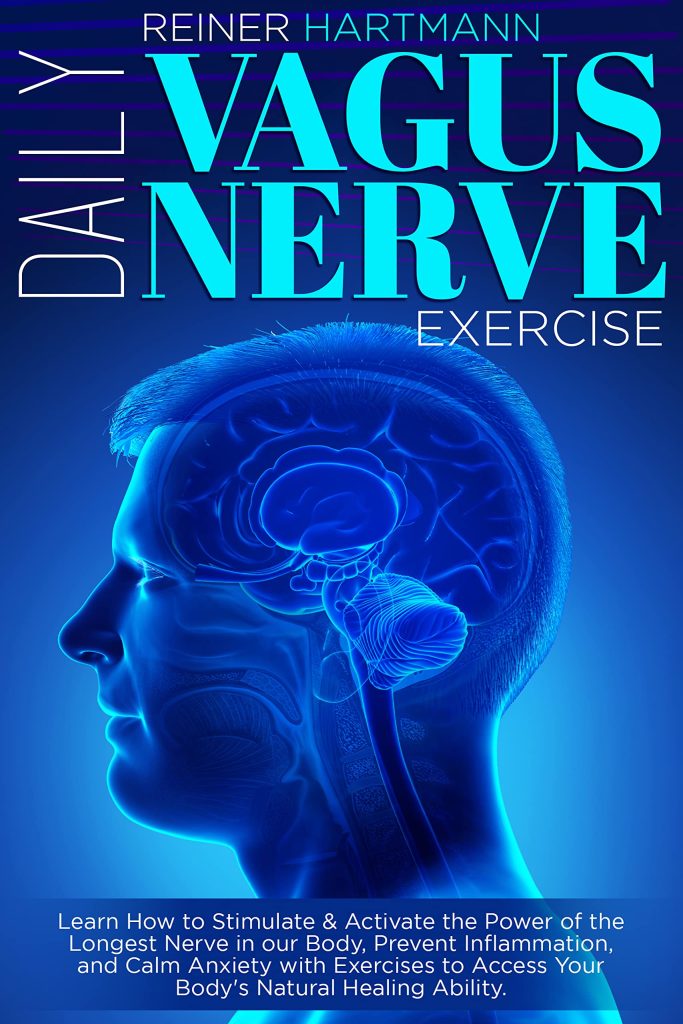
Daily Vagus Nerve Exercises by Reiner Hartmann
In this episode of SummaryPedia, we delve into “Daily Vagus Nerve Exercises” by Reiner Hartmann, a practical and insightful guide on optimizing health through vagus nerve stimulation. The book highlights how the vagus nerve influences the body’s essential functions and provides a variety of techniques for enhancing vagal tone, benefiting both mental and physical health.
Who May Benefit from the Book
- Individuals managing stress or anxiety: Practical exercises to calm the nervous system.
- People with digestive issues: Techniques that promote gut health.
- Those interested in holistic health: Insights into lifestyle changes and diet for better health.
- Health and wellness practitioners: Useful resource for guiding clients.
- Individuals with chronic health conditions: Offers additional methods for pain and inflammation management.
Top 3 Key Insights
- The Vagus Nerve’s Role: A vital link between the brain and body, affecting heart rate, mood, and digestion.
- Vagal Tone and Health: Strong vagal tone is associated with lower stress and improved immunity; low tone can lead to chronic issues.
- Practical Stimulation Techniques: From deep breathing to cold exposure, exercises enhance vagal function, offering stress relief and overall wellness.
7 More Lessons and Takeaways
- Deep Breathing for Calm: Slow, deep breathing triggers vagus activation, reducing blood pressure and promoting relaxation.
- Cold Exposure Benefits: Cold therapy (e.g., cold showers) shifts the body to parasympathetic mode, boosting mood and reducing inflammation.
- Singing and Humming: Vocal exercises stimulate the vagus nerve, supporting heart health and emotional stability.
- Physical Stimulation Techniques: Massage, yoga, and stretching target areas linked to the vagus nerve, promoting relaxation.
- Laughter and ASMR: Engaging in laughter or ASMR triggers can improve mood and activate the vagus nerve for stress relief.
- Diet and Lifestyle: Gut-healthy foods like probiotics and prebiotics aid vagal health, supporting digestive and mental well-being.
- Advanced Techniques: For severe cases, acupuncture and vagus nerve stimulation devices offer medical-grade relief for issues like depression and chronic pain.
The Book in 1 Sentence
A practical guide to enhancing physical and mental well-being through vagus nerve stimulation techniques for better health.
The Book Summary in 1 Minute
“Daily Vagus Nerve Exercises” offers an accessible approach to understanding and stimulating the vagus nerve, which plays a crucial role in regulating bodily functions like heart rate, digestion, and emotional balance. Readers learn how exercises like deep breathing, cold exposure, and vocal techniques can improve vagal tone, reduce stress, and boost immune health. By integrating these practices, the book suggests ways to tackle issues like anxiety, inflammation, and mood disorders. Hartmann’s book makes complex neuroscience approachable and emphasizes the transformative health benefits of a well-functioning vagus nerve.
The Book Summary in 10 Minutes
Understanding the Vagus Nerve and Its Importance
The vagus nerve is the longest cranial nerve, connecting the brain to major organs like the heart, lungs, and digestive tract. Acting as a “communication superhighway,” it carries messages that control functions critical to health, such as heart rate, immune response, and mood. The nerve’s involvement in the parasympathetic nervous system (PNS) allows it to promote relaxation, reduce stress, and maintain bodily balance.
Key Functions of the Vagus Nerve (H3)
- Mood Regulation: Links to mood through neurotransmitters, helping manage emotions.
- Heart Rate Control: Regulates heart rate, ensuring a calm physiological state.
- Gut Health: Supports gut-brain communication, vital for digestion and mood.
- Inflammation Response: Aids in reducing inflammation, essential for immune health.
Benefits of a Healthy Vagal Tone
A high vagal tone, indicating strong nerve function, correlates with resilient mental health, reduced stress, and robust immunity. Conversely, low vagal tone is often seen in people with chronic stress, depression, and digestive issues. Simple exercises can enhance vagal tone, promoting physical and mental wellness.
Practical Exercises for Vagal Stimulation (H2)
1. Deep Breathing Techniques (H3)
Deep breathing slows the heart rate and activates the parasympathetic system. Techniques like diaphragmatic breathing, box breathing, and 4-7-8 breathing are effective for calming the mind. Practicing these exercises for just a few minutes daily can improve stress resilience and vagal tone.
| Breathing Technique | Description | Suggested Duration |
|---|---|---|
| Diaphragmatic | Deep belly breaths | 5-10 mins daily |
| Box Breathing | 4-4-4-4 counts for inhale/exhale | 3-5 mins daily |
| 4-7-8 Breathing | Inhale for 4, hold for 7, exhale 8 | 2-3 mins, 2x daily |
2. Cold Exposure (H3)
Cold exposure activates the vagus nerve by shifting the body to a parasympathetic state. Options include cold showers, ice packs on the neck, or brief outdoor exposure in cold weather. Benefits include increased resilience to stress, better mood, and immune support.
3. Vocal Exercises (H3)
Singing, humming, and chanting stimulate the vagus nerve due to its connection to the vocal cords. These exercises activate the nerve and have been shown to improve mood and mental clarity. Practicing humming or chanting for 5-10 minutes can have a positive effect.
4. Laughter and ASMR (H3)
Laughter acts as “internal jogging,” creating a rhythm that stimulates the vagus nerve and enhances emotional well-being. Similarly, ASMR triggers—such as soft whispers or tapping sounds—activate the vagus nerve, offering a calm, focused sensation that supports relaxation.
Professional Interventions for Vagal Stimulation (H2)
Acupuncture (H3)
Acupuncture is used to activate specific points associated with the vagus nerve, improving issues like anxiety, chronic pain, and inflammation. Certified practitioners target nerve-rich areas, helping to balance the parasympathetic system.
Vagus Nerve Stimulation (VNS) Devices (H3)
For chronic issues, VNS devices are available to provide consistent, mild electrical impulses to the nerve, assisting with severe cases of depression, epilepsy, and chronic pain. These devices require professional guidance and are usually a last resort.
Supporting Vagal Health Through Diet (H2)
Probiotics and Prebiotics
A healthy gut microbiome is crucial for the vagus nerve’s communication with the brain. Foods like yogurt, kefir, and fiber-rich fruits nourish gut bacteria, promoting better mood and immunity.
Omega-3 and Zinc-Rich Foods
Omega-3 fatty acids (in fish, flaxseed) and zinc (in seeds, nuts) support neural health, fortifying the vagus nerve’s role in mood and inflammation control.
About the Author
Reiner Hartmann, a wellness and neuroscience enthusiast, is dedicated to educating readers on improving health through holistic practices. Although little is publicly available about his background, his expertise in vagus nerve health makes “Daily Vagus Nerve Exercises” an invaluable resource for understanding and leveraging this essential nerve.
How to Get the Best of the Book
To fully benefit from Hartmann’s insights, engage with the exercises consistently, beginning with simpler techniques like deep breathing and humming. Gradually incorporate more advanced practices, such as cold exposure and physical exercises, for holistic improvement.
Conclusion
“Daily Vagus Nerve Exercises” is a practical guide that transforms complex science into actionable steps for better health. By integrating these techniques, readers can boost their vagal tone, enhancing both mental and physical resilience. This book is a valuable resource for anyone looking to take control of their health through simple yet effective practices.