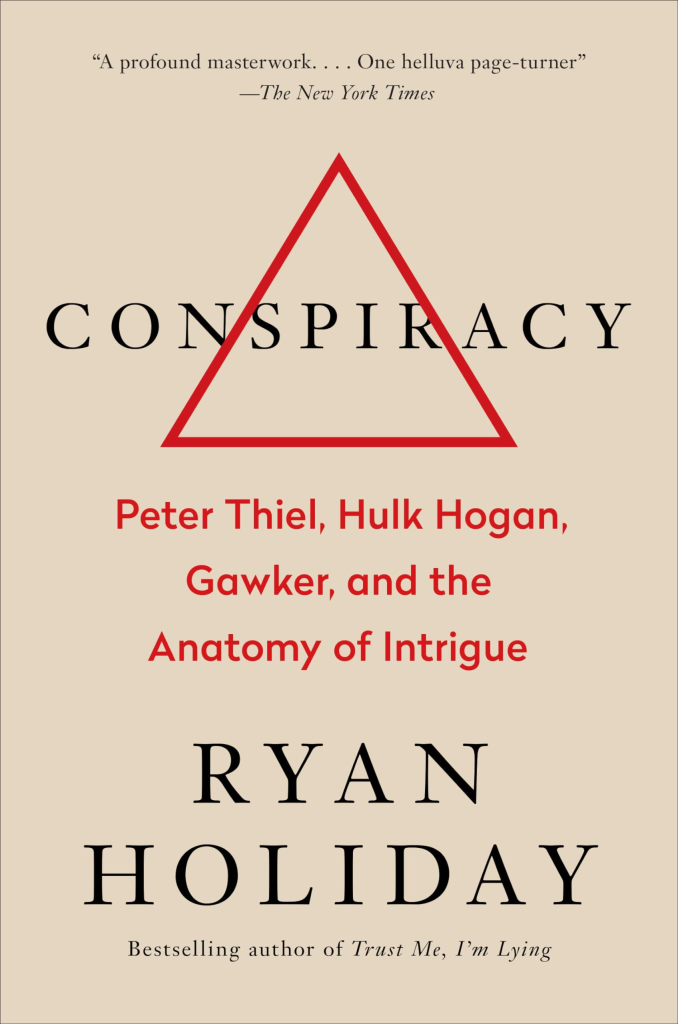
Conspiracy by Ryan Holiday,
In this episode of SummaryPedia, we explore “Conspiracy” by Ryan Holiday, a gripping account of Peter Thiel’s decade-long campaign against Gawker Media, highlighting the interplay of media ethics, personal vendettas, and the power dynamics in the digital age.
Who May Benefit from the Book
- Media professionals and journalists
- Individuals interested in media ethics
- Entrepreneurs navigating reputation management
- Law students exploring legal strategies in high-stakes cases
- Activists and advocates for privacy rights
- Anyone fascinated by the impact of wealth on public discourse
Top 3 Key Insights
- Conspiracy as a Tool for Change: Thiel’s strategic planning illustrates how private actions can significantly alter media landscapes.
- Patient Strategy: Success requires meticulous research, timing, and the ability to adapt.
- Secrecy’s Power: Maintaining anonymity allows for effective action without interference from adversaries.
7 More Lessons and Takeaways
- Team Dynamics: Thiel’s conspiracy relied on assembling a strong team, including a lawyer and a sympathetic public figure.
- Identifying Weaknesses: Understanding an opponent’s vulnerabilities can create effective strategies for attack.
- Persistence is Key: Overcoming setbacks through financial resources and adaptability is crucial in long-term plans.
- Unintended Consequences: Actions can have broader societal impacts, affecting media practices and public perceptions.
- Ethical Dilemmas: The use of wealth to influence media raises questions about morality in pursuit of justice.
- Money and Power: Financial leverage can dramatically reshape media narratives and accountability.
- Future Implications: The case highlights ongoing debates about the balance between free speech and the ethics of journalism.
The Book in 1 Sentence
“Conspiracy” reveals how Peter Thiel’s secretive and strategic vendetta against Gawker Media reshaped media ethics and the balance of power in journalism.
The Book Summary in 1 Minute
“Conspiracy” chronicles Peter Thiel’s intricate and secretive plot to dismantle Gawker Media after they publicly outed him. Through meticulous planning, Thiel identified vulnerabilities within Gawker, employing a legal strategy that included funding multiple lawsuits, culminating in the Hulk Hogan case. This saga not only illustrates the power of wealth in media but also raises questions about ethics, free speech, and the role of personal vendettas in shaping public narratives. The book serves as both a cautionary tale and a commentary on the implications of unchecked power in the digital age.
The Book Summary in 10 Minutes
Introduction to the Gawker Saga
The book opens with a detailed account of how Peter Thiel, a billionaire tech investor, sought revenge on Gawker Media after they outed him as gay in 2007. This personal vendetta sparked a series of events that would challenge the media landscape and question ethical boundaries in journalism.
Conspiracy as a Tool for Change
Thiel’s orchestrated campaign against Gawker exemplifies how determined individuals can harness strategic resources to effect meaningful change. His approach highlights that conspiracies are not always destructive but can be a catalyst for reshaping media ethics and societal norms.
The Art of Patient, Strategic Planning
Thiel’s success was not immediate; it stemmed from a long-term vision characterized by meticulous research and strategic moves:
- Identifying Vulnerabilities: Thiel’s team analyzed Gawker’s public image and legal weaknesses.
- Funding Lawsuits: They created pressure through multiple legal battles, amplifying their presence.
- Choosing the Right Case: The decision to back Hulk Hogan’s lawsuit was pivotal, providing a sympathetic narrative and clear legal violations.
- Maintaining Secrecy: Thiel’s anonymity ensured Gawker could not adequately defend itself against the onslaught.
Secrecy: The Lifeblood of Successful Conspiracies
Thiel’s approach relied heavily on maintaining secrecy:
- Compartmentalization: Information was tightly controlled, with many involved unaware of the full scope of the plan.
- Power of Anonymity: Keeping his role hidden allowed Thiel to avoid public backlash and shape the narrative.
Assembling the Right Team
Thiel was not alone in this endeavor. Key players included:
- The Mastermind: Thiel himself, driven by revenge and a belief in ethical reform.
- The Operator: A young associate, referred to as Mr. A, coordinated operations.
- Legal Expertise: Charles Harder crafted the legal strategy that led to Thiel’s success.
- The Public Face: Hulk Hogan’s involvement provided a relatable narrative that resonated with jurors.
Exploiting Weaknesses
Thiel’s strategic advantage came from understanding Gawker’s vulnerabilities:
- Clear Violations: The Hulk Hogan case showcased a blatant disregard for privacy.
- Overconfidence: Gawker underestimated the threat posed by Thiel’s legal strategies, which played a crucial role in their downfall.
The Power of Persistence
The journey was fraught with setbacks. However, Thiel’s resources and resilience allowed his team to adapt:
- Shifting Strategies: They recalibrated their legal approach based on court responses.
- Maintaining Pressure: Continued funding of lawsuits kept Gawker on the defensive.
Managing the Aftermath
The ramifications of the Gawker takedown extended beyond the case itself:
- Increased Scrutiny: Media practices faced heightened examination regarding ethics and privacy.
- Public Debate: Thiel’s actions raised questions about wealth’s role in influencing media narratives.
- Shift in Media Landscape: The case prompted reconsideration of journalistic practices, urging a more cautious approach to reporting.
The Ethics of Conspiracy
Thiel justified his actions as protective of privacy and ethical journalism, yet critics pointed to:
- Moral Implications: The potential for misuse of wealth to silence opposing voices.
- Freedom of the Press: Concerns emerged regarding the implications for journalistic freedom and accountability.
The Role of Money and Power
The Gawker case underscored the stark realities of financial influence in media:
- Legal Leverage: Thiel’s financial clout allowed for a legal assault that few could replicate.
- Vulnerable Media: The case illustrated the susceptibility of media outlets to well-resourced adversaries.
Lessons for the Future
The Gawker saga serves as a critical reminder of the delicate balance between free speech and ethical considerations:
- Evolving Standards: Media organizations are compelled to reconsider their approaches to privacy and ethical journalism.
- Ongoing Discussions: The case continues to fuel debates about the implications of wealth in legal battles and the future of investigative journalism.
About the Author
Ryan Holiday is a media strategist and author known for his expertise in marketing and advertising. After dropping out of college, he gained recognition as the Director of Marketing at American Apparel, where he created influential campaigns. Holiday is the author of multiple bestselling books, including “Trust Me, I’m Lying,” and is known for his incorporation of Stoic philosophy into his work. He resides in New Orleans with his dog, Hanno.
How to Get the Best of the Book
To maximize benefits from “Conspiracy,” approach it with an analytical mindset, considering both the strategic insights presented and the ethical implications of Thiel’s actions. Reflect on the broader societal impacts and engage in discussions about media ethics and personal accountability.
Conclusion
“Conspiracy” offers a riveting exploration of power, media ethics, and the consequences of personal vendettas. Holiday’s detailed account not only captivates readers but also provokes critical discussions about the dynamics of influence in the digital age, making it a must-read for anyone interested in media and ethics.