
Best Books for Body Language
The best book for reading body language is “What Every Body is Saying” by Joe Navarro. This comprehensive guide provides practical insights into nonverbal communication and is highly recommended for understanding human behavior.
With its straightforward approach and real-life examples, this book is ideal for anyone looking to improve their interpersonal skills and enhance their understanding of body language cues. Understanding body language is a crucial skill for effective communication, whether in professional or personal settings.
“What Every Body is Saying” offers valuable techniques and insights that can be applied in various situations, making it an essential read for anyone interested in unlocking the secrets of nonverbal communication. We will explore the significance of body language, the impact it has on communication, and the reasons why “What Every Body is Saying” stands out as the best resource for mastering this crucial skill.

Credit: www.amazon.com
Key Elements Of Body Language
Understanding body language is crucial when it comes to effective communication. It can help you interpret the unspoken messages people convey through their nonverbal cues. Body language encompasses various key elements, including facial expressions, gestures, and posture. By being attentive to these elements, you can enhance your ability to decipher the emotions, intentions, and attitudes of others. In this article, we will delve into each of these elements and explore how they contribute to the overall understanding of body language.
Facial Expressions
Facial expressions provide valuable insight into a person’s emotional state and help convey their feelings or reactions. Just as words can express happiness, sadness, surprise, anger, or disgust, so can facial expressions. Humans have an innate ability to recognize and interpret facial cues, allowing us to gauge the emotions of others without the need for verbal communication.
Here are some common facial expressions and their associated meanings:
| Expression | Meaning |
|---|---|
| Smiling | Happiness or friendliness |
| Frowning | Sadness or displeasure |
| Raising eyebrows | Surprise or curiosity |
| Scowling | Anger or frustration |
| Wide eyes | Shock or fear |
Gestures
Gestures involve the movement of hands, arms, or other body parts to communicate specific messages or emphasize a point. They can vary across cultures and individuals. While some gestures are universally recognized, others may have different meanings depending on the context in which they are used.
Here are a few examples of common gestures and their interpretations:
- Handshake: A firm and confident handshake signifies trust and professionalism.
- Thumbs up: Generally indicates approval or agreement.
- Nodding: Demonstrates agreement, understanding, or attentiveness.
- Pointing: Directs attention toward something or someone.
- Clasping hands: May indicate nervousness or anxiety.
Posture
Posture refers to the way individuals align their bodies in various positions. It can reveal a person’s confidence level, level of interest or disinterest, and their overall state of well-being. Paying attention to posture can provide valuable insights into how someone is feeling or how they perceive a particular situation.
Here are a few examples of different postures and their implications:
- Straight and upright: Indicates confidence and attentiveness.
- Hunched or slouched: Suggests low energy or disinterest.
- Arms crossed: May signify defensiveness or disagreement.
- Leaning forward: Demonstrates engagement and interest.
- Leaning away: Implies discomfort or lack of interest.
Credit: socialself.com
How To Read Body Language Effectively
Reading body language is a valuable skill that can help you understand people’s emotions, intentions, and thoughts. To effectively interpret body language, it’s important to observe clusters of behavior, understand context, and consider cultural differences. These key factors can greatly enhance your ability to accurately read and interpret nonverbal cues.
Observing Clusters Of Behavior
Observing clusters of behavior involves paying attention to multiple body language cues exhibited by an individual in different situations. By looking for consistent patterns of nonverbal signals, such as facial expressions, gestures, and posture, you can gain a more comprehensive understanding of their feelings and attitudes. For example, crossed arms combined with a furrowed brow and a tense posture may indicate defensiveness or discomfort.
Understanding Context
Understanding the context in which body language is displayed is crucial for accurate interpretation. Context includes the environment, the specific situation, and the individuals involved. Factors such as the person’s relationship with others, the setting, and the timing of the nonverbal cues can significantly influence their meaning. Being mindful of the context allows you to discern whether a particular gesture or expression is a true reflection of the person’s emotions or simply a response to the immediate situation.
Considering Cultural Differences
Considering cultural differences is essential when reading body language, as nonverbal cues can vary widely across different cultures. Certain gestures, facial expressions, or body movements may hold different meanings in various cultural contexts. It’s important to be aware of these differences to avoid misinterpreting someone’s body language based on your own cultural perspective. By recognizing and respecting cultural nuances, you can ensure more accurate and respectful communication.

Credit: www.quora.com
Frequently Asked Questions Of Best Book For Reading Body Language
What Are The Best Books To Learn About Reading Body Language?
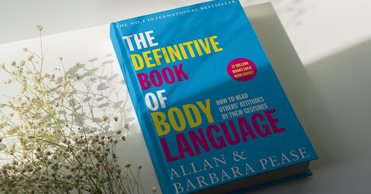
Some of the best books to learn about reading body language are “The Definitive Book of Body Language” by Allan Pease and Barbara Pease, “What Every Body Is Saying” by Joe Navarro, and “The Like Switch” by Jack Schafer.
How Can Reading Body Language Benefit Me In Everyday Life?
Reading body language can help you understand people’s true feelings and intentions, improve communication and relationships, and enhance your own nonverbal communication skills.
Are There Any Specific Techniques Or Tips For Interpreting Body Language?
Yes, some techniques for interpreting body language include observing facial expressions, body movements, and gestures, paying attention to eye contact and posture, and identifying clusters of nonverbal signals for better accuracy.
Conclusion
To wrap up, choosing the right book for reading body language is crucial for improving communication skills. Understanding nonverbal cues can provide valuable insights into people’s thoughts and intentions. By carefully analyzing facial expressions, gestures, and postures, you can enhance your ability to interpret others’ emotions and reactions accurately.
Whether you are in a personal or professional setting, the knowledge gained from a reliable resource on body language will undoubtedly empower you to navigate interactions with greater confidence and success.


