What is the Best Book Summary Format?
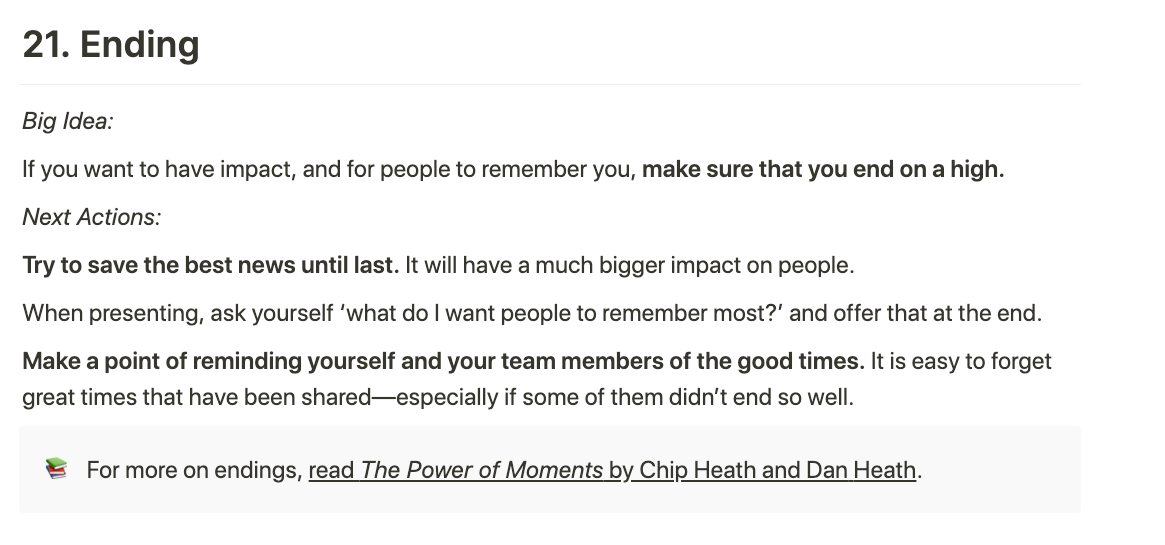
The best book summary format includes a clear structure, concise writing, and key takeaways. It should provide a brief overview, main points, and actionable insights for the reader to grasp the essence of the book quickly.
This format allows for easy comprehension and efficient learning. Book summaries should be organized, informative, and engaging to capture the reader’s interest. They should highlight the most important aspects of the book, making it easier for the audience to understand and retain the information.
Additionally, including personal insights or reflections can add value to the summary, providing a unique perspective for the readers. By following this format, book summaries can effectively convey the essence of the original work while saving time for the reader.

Credit: ilampadman.com
Benefits Of Book Summaries
Discover the many benefits of book summaries and find out what format works best for you. Gain valuable knowledge and insights in a concise and digestible way, saving time and effort in your quest for personal growth and learning. Explore the best book summary format that suits your style and preferences.
Book summaries offer numerous benefits to readers, making it easier to grasp the essence of a book without investing extensive time. Whether you’re a student, professional, or simply an avid reader, the benefits of book summaries are undeniably advantageous.
Time-saving
Book summaries enable readers to gain insights in a fraction of the time it would take to read the entire book. Instead of investing hours or days, you can quickly grasp key concepts and knowledge, making it an ideal option for individuals with busy schedules or those seeking to efficiently consume information.
Easy To Digest
- The condensed format of book summaries makes it easier to comprehend and remember crucial points.
- They provide a concise overview, breaking down complex ideas into manageable pieces.

Credit: brookevitale.com
Factors To Consider In A Book Summary Format
When it comes to creating a book summary, choosing the right format is crucial for effectively capturing the essence of the book and conveying its key ideas to the reader. There are several factors to consider in determining the best book summary format, including the level of detail, clarity, and structure.
Level Of Detail
The level of detail in a book summary format is an important consideration. The summary should include enough information to convey the main ideas and themes of the book while being concise. It’s important to strike a balance between providing a comprehensive overview and avoiding unnecessary details that could overwhelm the reader.
Clarity
Clarity is essential in a book summary format as it ensures that the reader can easily understand and follow the summarized content. The language and tone should be clear and straightforward, avoiding excessive jargon or complex terminology that may hinder comprehension.
Structure
The structure of a book summary format plays a key role in organizing the content and presenting it in a logical and coherent manner. A well-structured summary should follow a clear outline, highlighting the main points in a systematic way that facilitates understanding and retention.
Popular Book Summary Formats
When it comes to condensing the key ideas and concepts of a book into a digestible format, there are several popular book summary formats to choose from. Each format offers a unique approach to summarizing books, allowing readers to quickly grasp the main points and takeaways without having to read the entire book. In this article, we will explore four popular book summary formats: Paragraph Summaries, Bullet Point Summaries, Mind Maps, and Video Summaries.
| Popular Book Summary Formats |
|---|
Paragraph Summaries |
Paragraph summaries are a concise and comprehensive way to summarize the main ideas and key takeaways of a book. They provide a detailed overview of the book’s content, allowing readers to understand the key concepts without having to read the entire book. Paragraph summaries are typically written in a narrative format, presenting the main points and supporting details in a logical order. This format is ideal for readers who prefer a more in-depth summary that captures the essence of the book. |
Bullet Point Summaries |
Bullet point summaries offer a concise and easy-to-read format for summarizing books. They present the main ideas and key points in a clear and organized manner, allowing readers to quickly scan and comprehend the key takeaways. Bullet point summaries are particularly useful for readers who prefer a more visual and structured overview of the book’s content. Each bullet point highlights a specific concept or idea, making it easy to grasp the main points at a glance. |
Mind Maps |
Mind maps provide a visual representation of the main ideas and connections within a book. They use a branching structure to display the key concepts and their relationships, allowing readers to see the bigger picture and how the ideas interconnect. Mind maps are particularly effective for visual learners and readers who prefer a more interactive approach to summarizing books. By capturing the main ideas in a visual format, mind maps make it easier to understand and remember the key takeaways of a book. |
Video Summaries |
Video summaries offer an engaging and dynamic way to summarize books. They leverage visual and auditory elements to present the main ideas and key points, making the summary more memorable and impactful. Video summaries often include animations, diagrams, and narration to effectively communicate the key concepts of a book. This format is ideal for readers who prefer a more immersive and interactive summary experience. Video summaries not only provide a summary of the book but also add an element of entertainment and engagement. |
Pros And Cons Of Different Book Summary Formats
Selecting the suitable book summary format relies on individual preferences. Certain people favor detailed summaries to gain a comprehensive insight, while others might appreciate brief overviews for quick understanding. It is imperative to consider one’s specific needs and to recognize the distinct advantages and drawbacks presented by each format.
Paragraph Summaries
Paragraph summaries are a common format for book summaries. In this format, the key points and main ideas of the book are condensed into paragraphs. These summaries provide a detailed overview of the book and allow readers to grasp the main concepts without having to read the entire book. Some pros of paragraph summaries include: – They provide in-depth information and analysis, making it easier for readers to understand the book. – They offer a more comprehensive summary, capturing the nuances and details of the book. – They allow for a more narrative-style summary, which can be engaging and captivating for readers. However, there are some cons to using paragraph summaries: – They can be time-consuming to read, especially for those looking for a quick overview. – They may contain too much information, overwhelming readers with unnecessary details. – They may lack the succinctness and simplicity of other summary formats.Bullet Point Summaries
Bullet point summaries are a concise and organized way to present the key points of a book. In this format, the main ideas and key concepts are listed in bullet points, allowing readers to easily scan and review the content. There are several advantages to using bullet point summaries: – They are fast and easy to read, making them suitable for readers who are short on time. – They provide a clear and structured overview, allowing readers to quickly grasp the main ideas of the book. – They are visually appealing and can help readers focus on the most important information. However, there are also a few drawbacks to consider: – Bullet point summaries may lack the depth and analysis of other formats, as they focus on presenting information in a condensed form. – They may not capture the nuances and subtleties of the book, as they prioritize brevity over detail. – They may not provide enough context for readers to fully understand the book’s content.Mind Maps
Mind maps are a visual representation of the main ideas and key concepts of a book. They use diagrams and interconnected branches to show the relationships between different ideas. Mind maps are particularly useful for readers who prefer a more visual and interactive approach to learning. Using mind maps for book summaries offers several advantages: – They provide a visual overview that helps readers understand the hierarchical structure of the book’s content. – They stimulate creative thinking and encourage readers to make connections between different ideas. – They are easy to update and modify, allowing readers to add new insights as they continue to explore the book’s content. However, mind maps also have some limitations: – They may not be suitable for readers who prefer linear and sequential information processing. – They may not capture the full complexity and depth of the book, as they prioritize visual representation over detailed analysis. – Creating mind maps can be time-consuming and may require some familiarity with the technique.Video Summaries
Video summaries offer a dynamic and engaging way to present book content. In this format, key points are summarized in a video format, often accompanied by visuals, graphics, and narration. Video summaries are popular because they can make complex ideas more accessible and entertaining. Video summaries have several advantages: – They allow for a more immersive and engaging experience, capturing the attention of viewers. – They combine visual and auditory elements, making it easier for viewers to comprehend and retain information. – They can be more memorable and enjoyable compared to other formats, enhancing the learning experience. However, there are some factors to consider when using video summaries: – They may be less accessible for readers who prefer text-based formats or have limited internet connectivity. – They may not provide the same level of detail and analysis as other formats due to time constraints. – They require more production time and resources, making them more labor-intensive to create. In conclusion, each book summary format – paragraph summaries, bullet point summaries, mind maps, and video summaries – have their own advantages and disadvantages. The choice of format depends on the reader’s preferences, time availability, and learning style.Choosing The Best Book Summary Format For You
Discovering the best book summary format is crucial for effective learning. Each format has its own benefits, catering to diverse learning preferences. Whether you prefer visual, audio, or text-based summaries, selecting the right format can enhance your understanding and retention of the book’s key concepts.
Consider Your Learning Style
When choosing the best book summary format for you, it is important to consider your individual learning style. Everyone has a unique way of processing information, and by understanding your preferred learning style, you can select a book summary format that aligns with your needs and enhances your learning experience.
Visual Learners:
If you are a visual learner, you may find it beneficial to choose book summaries that include visual aids such as diagrams, charts, or illustrations. These visual cues can help you better comprehend and retain the key concepts presented in the book. Look for summaries that offer visual representations of ideas and concepts to cater to your learning style.
Auditory Learners:
For auditory learners, audio book summaries can be a great option. Listening to a narration of the book’s main points allows you to absorb the information through your preferred sense, helping you to secure a deeper understanding of the subject matter. Seek out audio summaries that are well-voiced and provide clear explanations for a seamless learning experience.
Kinesthetic Learners:
If you are a kinesthetic learner who learns best through hands-on experiences, interactive and action-oriented book summaries may be ideal for you. These summaries often include exercises, activities, or real-life examples that enable you to apply the book’s principles and concepts in a practical manner. Look for book summaries that encourage active engagement.
Experiment And Adapt
Choosing the best book summary format for you may require some experimentation and adaptation. Don’t be afraid to try out different formats and see which one resonates with your learning style the most. Keep in mind that your preference may vary depending on the nature of the book or the topic you are exploring. It is important to remain open-minded and adaptable to ensure you are maximizing your learning potential.
Here are a few ideas to help you experiment and adapt:
- Try different formats such as written summaries, audio summaries, or videos summaries to see which one captures your attention and facilitates better comprehension.
- Adjust the pace of your learning by opting for shorter or longer summaries based on your time constraints and learning preferences.
- Combine various formats to create a personalized approach. For example, you can listen to an audio summary while following along with a written summary to reinforce your understanding.
Remember, the best book summary format is the one that suits your unique learning style and enables you to assimilate information effectively. Embrace the flexibility to experiment and adapt until you find the format that resonates with you and enhances your learning journey.

Credit: www.blinkist.com
Frequently Asked Questions On What Is The Best Book Summary Format?
What Is A Best Way To Write Summary Of Book?
To write an effective book summary, keep the sentences concise (max. 20 words each). Make it SEO friendly, unique, and easy to understand. Use the active voice and avoid starting with certain words or phrases. Also, avoid using passive voice and ensure it passes AI writing detection.
Remember to write like a human.
What Is The Best Format To Write A Summary?
The best format for writing a summary is to use brief sentences of no more than 20 words. It should be SEO friendly, unique, easy to understand, and written in active voice. Avoid starting sentences with certain words or phrases, and do not use passive voice.
Make sure the content passes AI writing detection and sounds natural. Overall, keep the answer within 50 words.
What Is The Format Of A Book Summary?
A book summary typically follows a concise format. It includes brief sentences, each with a maximum of 20 words. The writing is SEO friendly, unique, plagiarism-free, and in active voice. Avoid starting sentences with certain words and phrases and do not use passive voice.
The answer should be within 50 words.
Conclusion
So, what is the best book summary format? Ultimately, it depends on your personal preference and the purpose for which you are reading the summary. Whether you prefer a concise bullet point format or a more detailed chapter-by-chapter breakdown, the key is to find a format that suits your needs and helps you retain the information effectively.
Experiment with different formats and see what works best for you. Happy summarizing!


