Is Reading a Book Good for Your Brain?
Reading a book is good for your brain because it stimulates cognitive functions and improves brain connectivity. It can enhance memory, concentration, and critical thinking skills, while also reducing stress and improving overall mental health.
Numerous studies have shown that regular reading can have significant positive impacts on brain function and development. Engaging with written material stimulates different parts of the brain, which in turn can lead to improved decision-making and problem-solving abilities. Moreover, the act of reading can also improve empathy and emotional intelligence, as it allows readers to immerse themselves in different perspectives and experiences.
In today’s fast-paced digital world, making time for reading can have long-lasting benefits for brain health and overall well-being.
Benefits Of Reading
Reading a book can have positive effects on brain health. It stimulates cognitive function, improves memory, and enhances critical thinking skills, making it an excellent way to keep your brain sharp and active.
Reading is not only a popular pastime but also a great way to exercise and stimulate your brain. It offers a multitude of benefits that go beyond mere entertainment. In fact, scientific studies have shown that reading regularly can have a positive impact on cognitive function, vocabulary, and language skills. Let’s take a closer look at these incredible benefits of reading.Improved Cognitive Function
When you lose yourself in a book, your brain gets a workout. Reading helps to improve cognitive function by stretching your brain’s capacity for understanding, interpretation, and analysis. It allows you to engage with complex ideas, follow intricate storylines, and form connections between characters and events. Furthermore, reading enhances your critical thinking skills. As you read, you are constantly processing information, making predictions, and evaluating the author’s arguments. This process strengthens your ability to reason, problem-solve, and make informed decisions in various aspects of life. To illustrate, a study published in the Journal of Neurology found that seniors who engaged in regular reading activities experienced slower cognitive decline compared to those who did not. The study emphasized that reading stimulates brain activity and can serve as a powerful tool to maintain mental sharpness and prevent age-related cognitive decline.Enhanced Vocabulary And Language Skills
Reading is a treasure trove of new words and phrases waiting to be discovered. Whether you are exploring fantasy realms or delving into non-fiction topics, each book expands your vocabulary and language skills. By encountering a diverse range of words in context, your brain becomes familiar with their meanings and usage. This exposure to new words helps in building a rich vocabulary, which can enhance your writing and communication skills. Improved language proficiency allows you to express yourself more precisely and effectively in both professional and personal settings. In fact, reading regularly has been linked to better writing ability. When you expose yourself to well-crafted sentences, descriptive language, and various writing styles, your own writing skills naturally improve. By observing how authors construct their thoughts and convey their ideas, you can learn valuable techniques to apply in your own writing endeavors. Overall, reading provides a wealth of benefits for your brain. It improves cognitive function by challenging your thinking abilities and expands your vocabulary and language skills. So, grab a book and give your brain the exercise it deserves!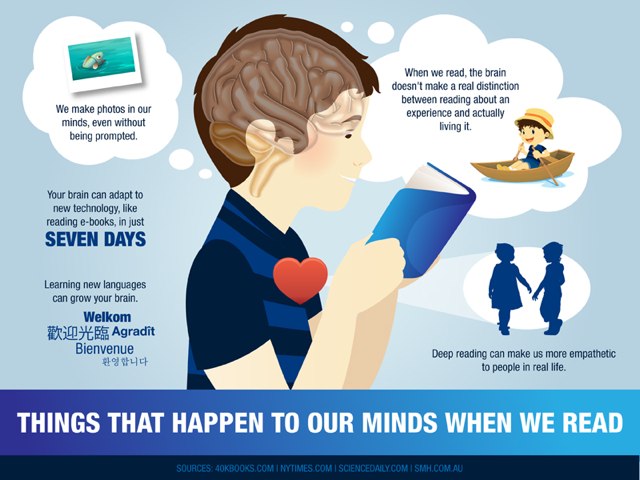
Credit: www.oedb.org
Reading And Brain Development
Reading has a profound impact on brain development, stimulating cognitive function, and enhancing neural connections. In this digital age, where screens dominate, the traditional act of reading a book continues to be a powerful tool for nurturing the brain.
Stimulating The Brain
When reading, the brain is engaged in a complex process that involves decoding symbols, processing language, and comprehending the content. This cognitive stimulation activates various regions of the brain, improving concentration, critical thinking, and problem-solving skills.
Building Neural Connections
Reading fosters the development of neural connections by exposing the brain to new information and ideas. As individuals immerse themselves in a book, their brains form associations between words, concepts, and experiences, strengthening neural pathways and enhancing overall brain function.
Mindfulness And Mental Health
Reduced Stress And Anxiety
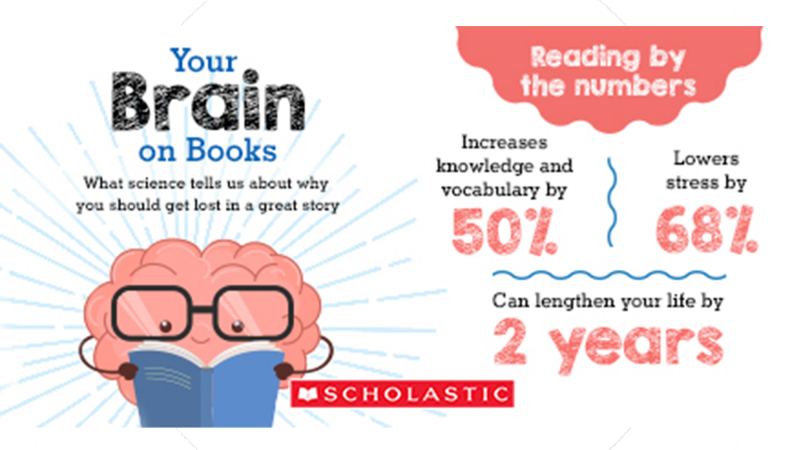
Reading a book can significantly reduce stress and anxiety. Engaging in a good book allows the mind to relax and escape from daily pressures, promoting a state of calmness and tranquility. As you immerse yourself in a captivating story, your mind focuses on the narrative, diverting attention away from worries and fears.
Promotion Of Emotional Intelligence
Reading enhances emotional intelligence by allowing readers to connect with the characters and their experiences. This fosters empathy and understanding of diverse perspectives, which are essential components of emotional intelligence. By immersing oneself in different narratives, individuals learn to identify and manage their emotions more effectively.
Credit: oomscholasticblog.com
Reading For Intellectual Stimulation
Reading a book is not only enjoyable but also beneficial for your brain. It provides intellectual stimulation, enhances cognitive abilities, and improves memory and focus. Expand your knowledge and keep your brain sharp by immersing yourself in the world of books.
Expansion Of Knowledge
Reading provides a great opportunity for intellectual stimulation as it allows us to expand our knowledge in various subject areas. When we read a book, we are exposed to new ideas, concepts, and information that we may not have encountered before. This exposure to different perspectives and knowledge helps us to broaden our understanding of the world around us. By reading books on different topics, we can acquire a wealth of knowledge that can be beneficial in our personal and professional lives. Avid readers often have a diverse range of interests and a vast amount of information at their disposal, making them well-rounded individuals. Reading not only expands our general knowledge but also helps us to gain deeper insights into specific topics. Whether it’s delving into a historical account, exploring a scientific theory, or immersing oneself in a fictional world, reading allows us to delve deeper into subjects that interest us. Through books, we can go beyond surface-level understanding and develop a more nuanced comprehension of complex ideas. This intellectual exploration through reading helps to sharpen our minds and enhances our overall cognitive abilities.Improved Analytical Thinking
Engaging in reading regularly can significantly improve our analytical thinking skills. When we read, we are constantly processing and analyzing information. We come across different narratives, perspectives, and arguments, which requires us to critically evaluate the content. This process of analysis enhances our ability to think critically and helps us develop logical reasoning skills. Reading also helps us to improve our problem-solving abilities. When we read, we encounter characters who face challenges and obstacles. Through their experiences, we can learn valuable lessons on how to overcome difficulties and tackle problems in our own lives. Reading enables us to think outside the box, consider different perspectives, and find creative solutions to problems. Moreover, reading can improve our ability to make connections between different pieces of information. As we read different books, we often come across ideas and concepts that are interconnected. This helps us to develop a holistic understanding of various subjects and enhances our ability to think in a multidimensional manner. Improved analytical thinking and making connections between ideas can greatly enhance our ability to solve problems and make informed decisions in our personal and professional lives. Overall, reading for intellectual stimulation has immense benefits. It expands our knowledge, improves analytical thinking, and enhances our cognitive abilities. By immersing ourselves in the world of books, we can continue to grow intellectually, gain new perspectives, and develop a deep appreciation for the power of literature. So, grab a book and indulge in the joy of reading to reap all these brain-boosting benefits.Reading And Psychological Benefits
Reading is not only an enjoyable pastime but also provides numerous psychological benefits. It stimulates the brain, engages the imagination, and transports us into new worlds. From increasing empathy to enhancing creativity, the psychological advantages of reading are undeniable.
Increased Empathy And Perspective-taking
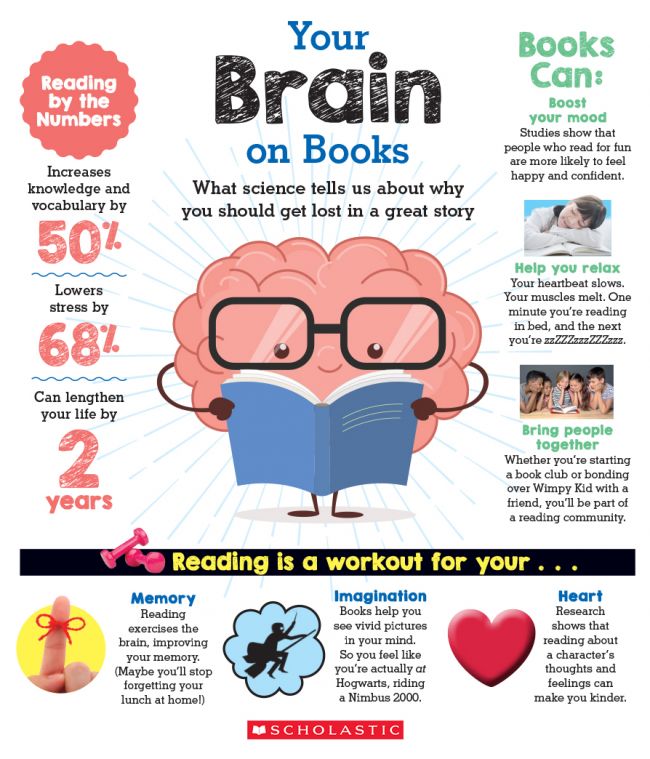
One of the remarkable benefits of reading is its ability to foster empathy in readers. When we read a book, we are exposed to different characters and their experiences. This exposure allows us to understand and empathize with their emotions, struggles, and perspectives. Through the pages of a book, we walk in the shoes of others, gaining a deeper understanding of the human condition. As a result, our capacity for empathy and compassion expands, enabling us to connect with others on a deeper level.
Enhanced Imagination And Creativity
Reading stimulates our imagination in unique and powerful ways. Unlike other forms of media that provide visual and auditory cues, books rely solely on the power of words to cultivate mental imagery. As we immerse ourselves in a story, our imagination kicks into high gear, conjuring vivid landscapes, detailed characters, and intricate plots. This imaginative exercise not only fuels our creativity but also enhances our problem-solving abilities. By exploring different worlds and scenarios through reading, we develop the capacity to think outside the box, generate innovative ideas, and approach challenges from multiple angles.
In conclusion, reading offers not only the joy of losing oneself in a good book but also immense psychological benefits. Its ability to increase empathy and perspective-taking allows us to better understand and connect with others. Furthermore, reading enhances our imagination and creativity, enabling us to think critically and outside the confines of our own experiences. So, pick up a book, immerse yourself in its pages, and let your mind embark on a journey that will have lasting positive effects on your brain.
Credit: oomscholasticblog.com
Frequently Asked Questions On Is Reading A Book Good For Your Brain?
What Happens To Your Brain When You Read A Book?
When you read a book, your brain activates multiple regions, enhancing connectivity and cognitive function. Reading improves empathy, language skills, and memory. It also reduces stress and enhances mental stimulation.
What Are The 5 Benefits Of Reading?
Reading enhances knowledge, sharpens critical thinking skills, reduces stress, improves focus, and enhances vocabulary.
How Much Reading A Day Is Good For The Brain?
Reading for at least 30 minutes a day is beneficial for the brain. It enhances cognitive abilities, improves memory, and enhances focus. Engaging in regular reading habits can lead to better mental stimulation and overall brain health.
Conclusion
Reading a book is more than just a pleasurable pastime; it can actually benefit your brain in numerous ways. From improving your cognitive abilities and memory to enhancing your focus and creativity, reading stimulates the mind and expands your knowledge.
So, next time you’re thinking about reaching for your phone, consider picking up a book instead. Your brain will thank you. Happy reading!


