
Which Light is Best for Eyes? Discover Optimal Lighting Solutions
Finding the best light for your eyes is important. It helps reduce strain and keeps them healthy.
Many people spend hours under different kinds of light each day. From working on computers to reading books, light plays a big role. Not all light is good for your eyes, though. Some types can cause strain or discomfort. Understanding which light is best can make a big difference.
It can improve your comfort and eye health. In this post, we’ll explore various lighting options. We’ll help you find the best light for your eyes. Let’s dive into the details and make your eyes happy!
Importance Of Proper Lighting
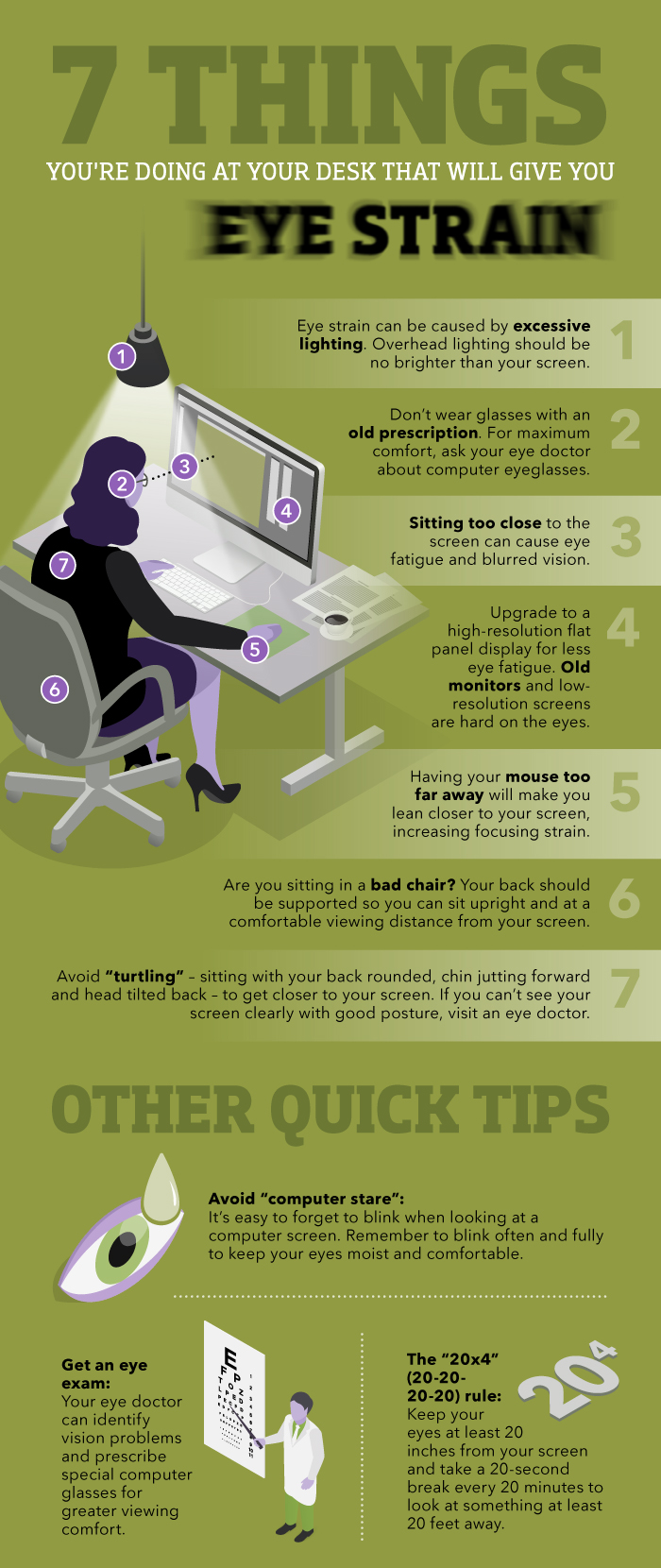
Proper lighting keeps eyes healthy. Poor light causes strain. Strain leads to headaches. Good light reduces this risk. Eyes feel comfortable. Less strain means better health. Bright light is bad. Soft light is best. Soft light is gentle on eyes.
Good light boosts productivity. Eyes work better. Tasks are easier to do. Bright light makes eyes tired. Tired eyes slow us down. Comfortable light helps us focus. We get more done. Work feels easier. Productivity goes up.
Credit: www.modern.place
Natural Vs. Artificial Light
Natural light is the best for your eyes. It helps you see better. It makes colors look brighter. Sunlight boosts your mood. Natural light can improve your sleep. It helps you feel more awake. Your eyes strain less in natural light.
Natural light changes during the day. Sunlight can be too bright sometimes. You may need to move closer to windows. Clouds can block the sun. It is hard to read in dim light. You can’t control natural light. Too much sun can cause glare.
Types Of Artificial Lighting
LED lights use less energy. They last longer than other lights. They do not get hot. They are safe to touch. These lights come in many colors. Bright white light can be hard on your eyes. Soft white is better for reading. LED lights do not flicker. This is good for your eyes.
Fluorescent lights are common. They use less energy than old bulbs. These lights can flicker. Flicker can hurt your eyes. They also hum sometimes. This can be annoying. They are bright and good for large spaces. They last longer than old bulbs. But not as long as LED lights.
Credit: lumennow.org
Color Temperature And Eye Comfort
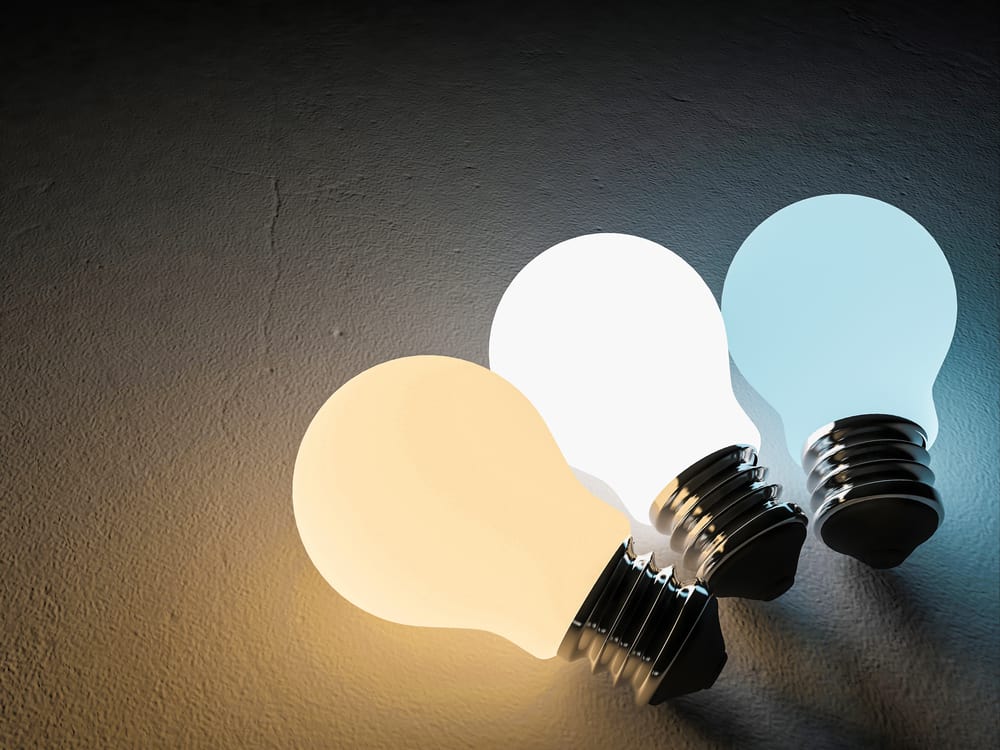
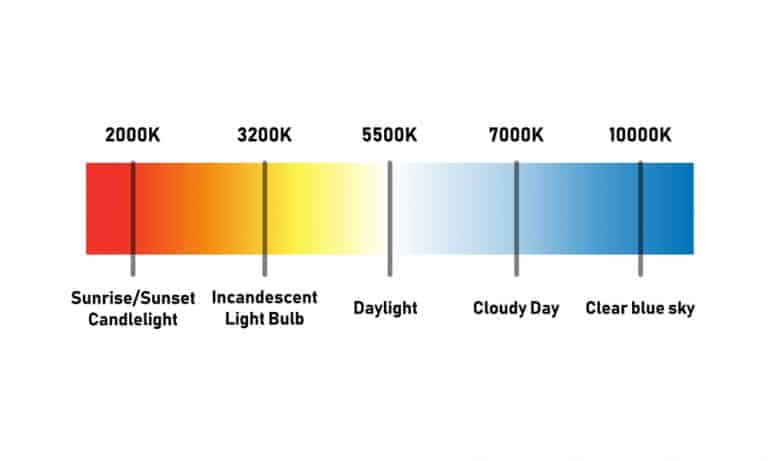
Warm light has a yellow or orange tint. It is gentle on the eyes. This light is similar to the sunset. It makes your eyes feel relaxed. It is great for evening or night use. Reading under warm light is comfortable. It reduces eye strain.
Cool light has a blue or white tint. It is bright and clear. This light is like a sunny day. It helps you stay alert. It is good for work and study. Cool light can cause eye strain over time. Short breaks can help.
Brightness Levels And Eye Strain
Setting the right brightness helps reduce eye strain. Moderate brightness is best. Too bright or too dim hurts your eyes. Match the screen brightness to your room light. This way, your eyes feel comfortable. Remember to take breaks. Let your eyes rest.
Dimming options can help you. Adjustable lighting is great. You can change it easily. Use dimmers on lights at home. This helps with eye strain. Lower light levels in the evening. It makes your eyes relax. Try using a smart bulb. They often have dimming features. This way, you can control the light better.
Task-specific Lighting Solutions
Good light is essential for reading and studying. Use a bright, focused light. The light should come from behind your shoulder. This prevents glare on the page. LED desk lamps are a great choice. They are energy-efficient. They also provide steady light. Avoid dim or flickering lights. These can strain your eyes.
Long screen time can tire your eyes. Use a desk lamp with adjustable brightness. Position the lamp so it does not shine directly on the screen. This reduces glare. A lamp with a warm light setting is best. It is gentle on the eyes. Take breaks often. Look at something far away. This helps relax your eyes.
Lighting Design For Home And Office
Soft, warm lights are best for home. They make rooms feel cozy. Use LED bulbs. They save energy and last long. Place lights at different heights. This reduces shadows. Use dimmer switches. They let you control brightness. Avoid harsh, bright lights. They can hurt eyes. Use task lighting for reading. This helps you see better. Keep natural light in mind. It is easy on eyes.
Offices need bright, cool lights. They help you stay alert. Use adjustable desk lamps. This lets you direct light where needed. Avoid glare on screens. Position lights to the side. Use natural light if possible. It improves mood and focus. Place lights overhead. This reduces shadows and eye strain. LED bulbs are a good choice. They are bright and energy-efficient. Check your light regularly. Replace bulbs when needed.
Credit: lumennow.org
Future Of Lighting Technology
Smart lighting systems are changing how we light our homes. These lights can be controlled with a phone. They can change color and brightness. Smart lights can save energy. They adjust based on natural light. They make our homes more comfortable. These lights can also help us sleep better. They can dim slowly at night. This helps our bodies relax.
Health-focused lighting is important for our eyes. Some lights reduce glare and eye strain. They mimic natural light, which is good for our eyes. These lights can improve our mood too. They are especially helpful in workplaces. Good lighting helps us focus and work better. Some lights are designed for reading. They give a soft, steady light. This makes reading easier and more enjoyable.
Conclusion
Choosing the best light for your eyes can be simple. Natural light works wonders during the day. For evenings, warm LED lights are gentle. Avoid overly bright or flickering lights. They can strain your eyes. Always adjust the light to your needs.
Your eyes will thank you. Remember, good lighting promotes eye health. Select wisely for a comfortable viewing experience. Enjoy better vision today!


